
Cat's claw
Uncaria tomentosa
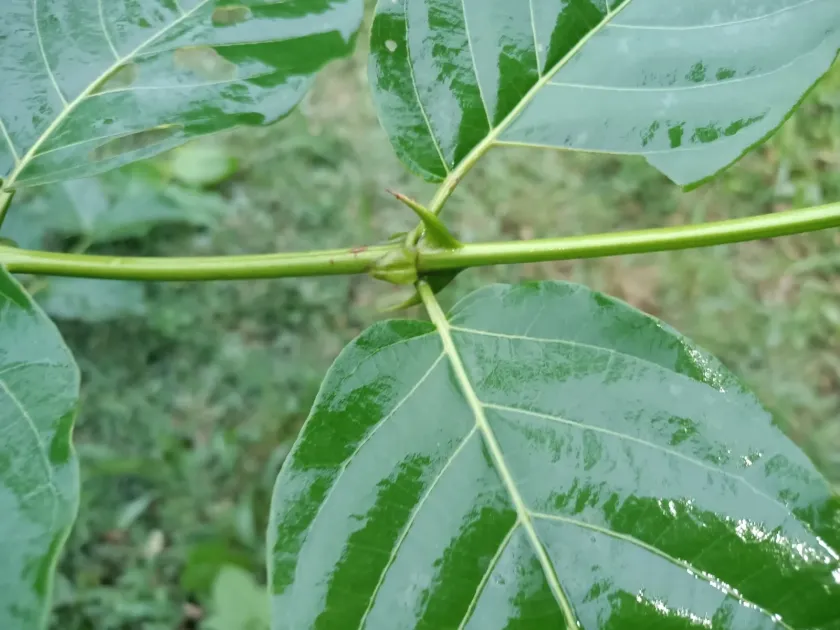
Description
Growing requirements
Uncaria tomentosa, widely known as cat's claw, is a member of the Rubiaceae family. This woody vine is native to the Amazon rainforest, where it thrives in the understory of dense, humid tropical ecosystems.
The plant requires a high-temperature environment, ideally between 20°C and 30°C, and cannot survive in frost-prone areas. Consistent ambient humidity is essential for maintaining the vigor of the vines.
Cultivation should focus on well-draining, nutrient-rich soils with a slightly acidic pH. The plant is sensitive to waterlogging, which often leads to rapid deterioration of the root system in poorly drained clay soils.
As a climbing plant, Uncaria tomentosa requires robust trellising or host tree management. Proper vertical training ensures optimal leaf exposure to sunlight and facilitates the harvesting of the bark in later stages.
In agriculture, the primary focus is the production of medicinal bark. The secondary metabolites found in the roots and bark are highly valued by the pharmaceutical industry for their potent anti-inflammatory properties.
Main diseases and pests
Root rot caused by pathogenic fungi is the most significant threat to cat's claw plantations. These infections are often triggered by improper irrigation management or soil compaction that inhibits oxygen supply to roots.
Insect pests, such as whiteflies and scale insects, may infest the foliage, particularly in nurseries or high-density planting conditions, necessitating careful monitoring and early intervention.
Invasive weeds pose a substantial challenge during the early stages of plant development. They compete for sunlight and soil nutrients, necessitating mechanical weeding to prevent growth retardation of the vines.
Management strategies involve maintaining appropriate plant spacing to ensure air circulation. Good airflow significantly reduces the prevalence of fungal spots and other airborne foliage diseases.
Sustainable pest management should prioritize cultural practices and biological control methods, ensuring that the harvested medicinal bark remains free of chemical residues.
Harvesting
Harvesting Uncaria tomentosa is a long-term agricultural endeavor, as the medicinal properties depend on the plant reaching a specific maturity stage, typically taking 5–7 years to accumulate active compounds.
The harvest focuses on the inner bark of mature stems. Sustainable practices involve harvesting sections of the bark rather than clear-cutting the entire plant, allowing for the natural recovery of the vine.
Collected bark must be processed immediately to prevent oxidation and moisture-related spoilage. Cleaning the bark involves removing surface moss, epiphytes, and dirt to ensure pharmaceutical grade purity.
Controlled drying is crucial for preserving the alkaloids. The material is usually dried in climate-controlled environments or under well-ventilated canopies until the moisture content reaches acceptable standards.
Final storage involves dry, dark, and well-ventilated facilities. Proper packaging, such as breathable fiber bags, is utilized to maintain the structural integrity and chemical potency of the bark until processing.