
Portlandia domingensis
Portlandia domingensis
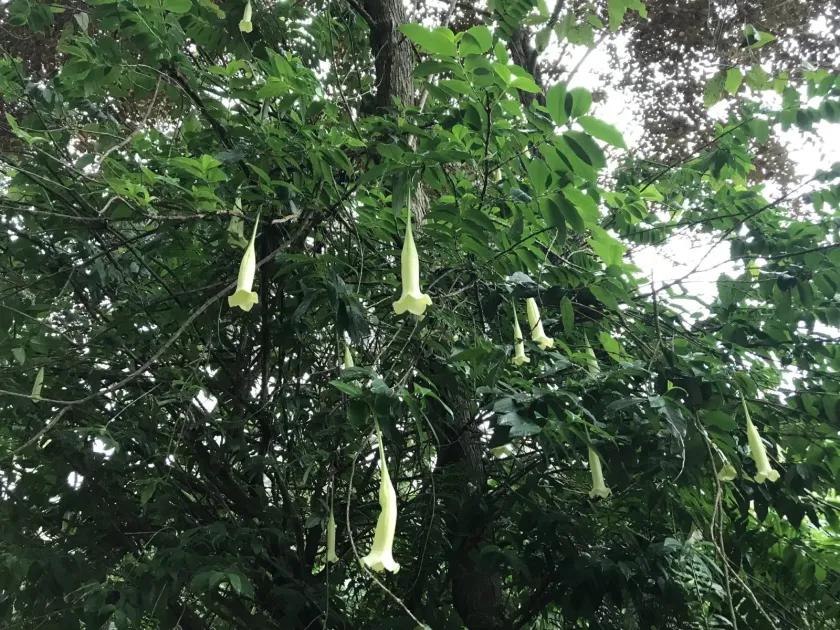
Description
Growing requirements
Portlandia domingensis is a distinguished ornamental member of the Rubiaceae family, native to the Caribbean region, specifically the Dominican Republic. This evergreen shrub is prized in tropical landscaping for its botanical elegance and aromatic flowers.
Environmental conditions must mimic its natural tropical habitat. It thrives in temperatures ranging between 22 and 28 degrees Celsius. Any exposure to frost is fatal, so strict climate control is required for successful growth outside of equatorial zones.
Soil requirements are quite specific for this species. It demands a well-draining, nutrient-rich, and slightly acidic medium. An ideal mix includes organic matter, compost, and coarse perlite to maintain the delicate balance between moisture retention and aeration.
Watering protocols must be precise. While the plant loves humidity, it cannot tolerate waterlogging. Irrigation should be applied when the top layer of the soil begins to dry, ensuring the roots remain hydrated but not suffocated by excess water.
Lighting plays a critical role in the plant's development. It prefers bright, indirect sunlight. Exposure to harsh afternoon sun can lead to leaf scorch, necessitating the use of shade cloth or strategic placement in conservatory environments.
Main diseases and pests
Root rot is the most significant threat to Portlandia domingensis. It typically occurs due to excessive watering or the use of poorly draining soil, which leads to the breakdown of root function and eventual plant death.
Spider mites are common pests in indoor or greenhouse conditions. They thrive in dry air, so maintaining proper humidity levels and regular misting of the foliage are essential preventative measures against their infestation.
Mealybugs are another persistent pest that targets the stems and crevices between leaves. They suck sap, stunting the growth of the plant and leaving behind unsightly honeydew that encourages sooty mold development.
Leaf spot diseases, often caused by fungal pathogens, can affect the foliage if the air circulation is inadequate. Improving ventilation within the growing area is crucial for maintaining the health of the plant canopy.
Regular fertilization with micronutrient-rich formulas helps the plant maintain its natural resistance to environmental stress. Observing the leaves for signs of chlorosis can provide early warning of soil nutrient imbalances.