
Myonima obovata
Myonima obovata
Description
Growing requirements
Myonima obovata is a distinctive shrub belonging to the Rubiaceae family, endemic to the Mascarene Islands. It serves as a significant example of island flora, characterized by its slow growth, hardy structure, and unique morphological adaptations to its native tropical environment.
The cultivation of this plant requires a stable tropical climate with high relative humidity and constant temperatures throughout the year. It does not tolerate cold snaps or dry air, making it suitable mainly for tropical gardens, conservatories, or specialized greenhouse environments in cooler regions.
Soil conditions are critical for its survival, necessitating a well-aerated, fertile substrate that drains water efficiently. A slightly acidic pH is generally preferred, as it helps optimize nutrient absorption and prevents common physiological issues associated with soil mineral imbalances.
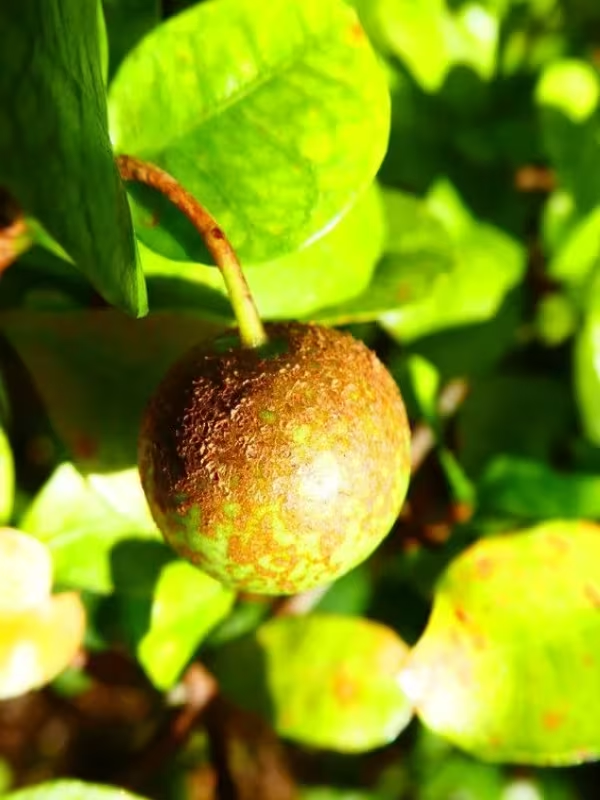
Botanically, the plant is recognized by its obovate leaves which are leathery and typically dark green, providing excellent aesthetic appeal. Its growth pattern is compact, and it typically produces small, structurally complex flowers typical of the Rubiaceae family, which contribute to its scientific interest.
Economically, Myonima obovata is valued as a botanical curiosity rather than a mass-production crop. It is mainly used in conservation and educational projects to preserve the genetic diversity of island-endemic species, serving as a model for studying the adaptation strategies of tropical plants.
Main diseases and pests
The primary threats to this species include fungal pathogens that thrive in high-humidity environments, particularly those affecting the root system. Proper airflow and monitoring of substrate moisture are essential practices to mitigate these risks and maintain a healthy root zone.
Pests such as scale insects and spider mites are frequent invaders in controlled environments, targeting the succulent foliage of the plant. Regular monitoring and the application of integrated pest management strategies are advised to ensure the longevity of the plant and prevent severe infestations.