
Mussaenda shikokiana
Mussaenda shikokiana
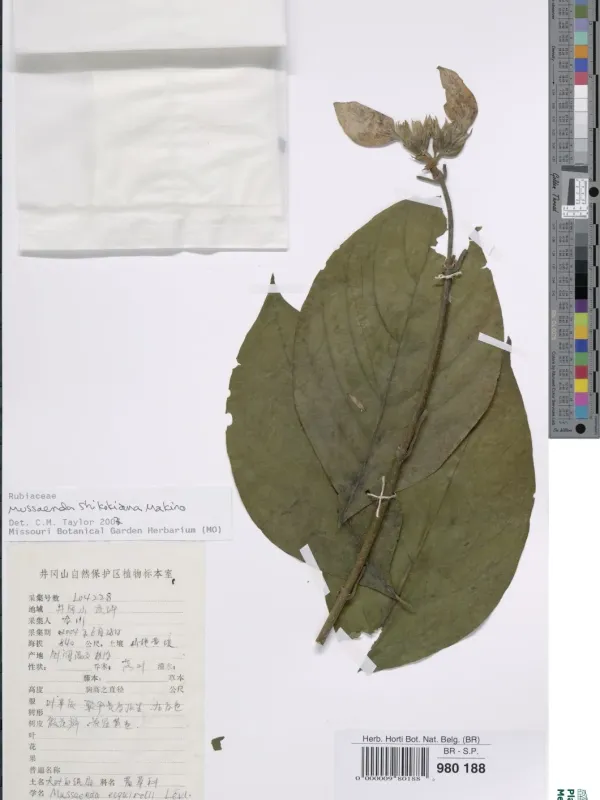
Description
Growing requirements
Mussaenda shikokiana is an ornamental evergreen shrub belonging to the Rubiaceae family. This species originates from the subtropical regions of Japan, specifically the island of Shikoku, where it flourishes in humid, protected forest environments.
Cultivation requires specific climatic conditions, primarily focused on warmth and high ambient humidity. Since this plant is not cold-hardy, it is predominantly grown as a greenhouse or indoor ornamental plant in regions outside its natural subtropical range.
The preferred growing medium for this culture is a well-drained, acidic to slightly acidic soil mix. A mixture consisting of peat, leaf mold, and perlite provides the necessary structure to prevent compaction and ensure adequate aeration for the sensitive root system.
Light requirements are significant, as the plant needs bright, indirect sunlight to thrive. While it prefers substantial light, it must be protected from direct noon sun, which can scorch the foliage and reduce the aesthetic quality of the plant.
General maintenance involves consistent irrigation with soft, room-temperature water. During the active growing season, regular feeding with a balanced liquid fertilizer is essential to support the development of its characteristic decorative sepals.
Main diseases and pests
The primary pests affecting Mussaenda shikokiana in container cultivation include spider mites and mealybugs. These thrive in low-humidity environments, making consistent misting and proper humidity control essential preventive practices for the gardener.
Root rot is the most common pathology, typically caused by overwatering or poor drainage systems. To mitigate this risk, it is vital to ensure that water never stagnates in the drainage tray and that the soil surface dries slightly between watering cycles.
Leaf chlorosis is frequently observed when the plant is irrigated with hard, alkaline water. This condition interferes with nutrient uptake and requires the use of acidic fertilizers or iron chelates to restore the healthy green coloration of the leaves.
Fungal infections can arise if the plant is placed in an area with poor air circulation. Proper spacing between plants and regular ventilation are key to minimizing the risk of powdery mildew and other foliage-related fungal diseases.
Integrated pest management strategies should be applied at the first sign of infestation. Utilizing horticultural oils or specialized systemic insecticides can effectively manage population spikes while ensuring the longevity of the plant specimen.