
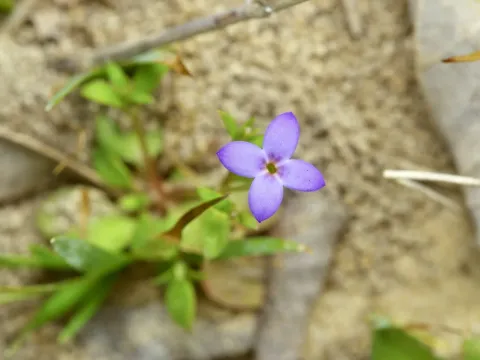
Houstonia pusilla
Houstonia pusilla
Houstonia pusilla, commonly known as tiny bluet, is a delicate annual herb belonging to the Rubiaceae family. Native to the southeastern United States, this plant is valued for its prolific blooming habit and compact growth form.
What the section contains
Houstonia pusilla
The sowing season typically begins in early spring, once the danger of severe frost has passed. Planting in mid-April ensures that the soil has reached the necessary temperature for rapid germination of the tiny seeds.
Seeds are extremely small and should be sown on the surface of the soil with minimal covering. Pressing them lightly into the substrate ensures good contact, which is crucial for uniform germination in outdoor conditions.
For ornamental purposes, seedlings can be started indoors in trays during late winter. This method allows for better control over early growth stages before transplanting them to a permanent location in the garden.
The plant is known for its ability to self-seed effectively. Under optimal conditions, the population can sustain itself from one year to the next without requiring additional intervention from the gardener.
To ensure healthy growth, Houstonia pusilla requires well-drained soil with a slightly acidic to neutral pH level. It thrives in sunny locations, which are necessary for the development of its signature vibrant flowers.
Adequate sunlight is the most critical environmental requirement for this species. In areas with insufficient light, the plant tends to become leggy, and the density of the floral carpet is significantly reduced.
While the plant requires moisture to establish itself, it is sensitive to waterlogging. Regular, light watering is preferred over deep, infrequent soaking to maintain consistent soil moisture levels throughout the growing season.
Fertilization should be handled with caution, as high nitrogen levels promote foliage growth at the expense of floral production. A balanced, low-concentration fertilizer applied once per season is sufficient.
Proper aeration is essential for this species. Planting in areas with good air circulation helps prevent the microclimate from becoming overly humid, which is vital for the long-term vigor of the planting site.
The primary threats to Houstonia pusilla are fungal pathogens that thrive in humid environments. Root rot is the most common issue, typically arising from poor soil drainage or excessive irrigation practices.
Pests are generally not a major concern, but aphid infestations may occur in dense plantings. If detected early, these can be managed through simple cultural practices or the application of mild horticultural soaps.
Poor ventilation can lead to the development of powdery mildew, especially during periods of high atmospheric humidity. Maintaining proper spacing between individuals is the best preventive measure against this disease.
Slugs and snails can pose a threat to young seedlings in wet weather. Implementing physical barriers or using organic deterrents around the base of the plants can help protect them during the early stages of development.
By monitoring the plant for signs of stress and ensuring appropriate site selection, growers can minimize these risks effectively. Maintaining high standards of sanitation in the garden will keep the plants robust throughout the season.