
Hydrophylax
Hydrophylax
Hydrophylax is a genus of perennial herbaceous plants belonging to the family Rubiaceae. These plants are native to coastal areas throughout the tropics, where they play a vital ecological function by stabilizing shifting sands and preventing coastline erosion.
What the section contains

Hydrophylax
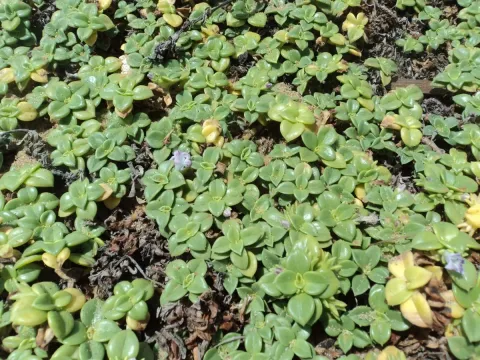
The morphology of the plant includes creeping stems that root at the nodes, forming a dense ground cover. This adaptation allows the species to colonize harsh beach environments effectively, withstand salt spray, and survive in nutrient-poor sandy soils.
Climate requirements for Hydrophylax are strictly tropical. The species thrives in areas with consistent high temperatures and full sunlight exposure. It is highly sensitive to cold and cannot survive frost, making its cultivation restricted to specific maritime zones.
Regarding soil requirements, the plant demands well-drained, saline, or sandy substrates. It is classified as a halophyte, which means it has developed physiological mechanisms to handle high salinity levels that would be toxic to most standard agricultural crops.
In terms of agricultural and environmental utility, Hydrophylax is primarily used for shore stabilization and coastal zone management. It creates a robust root network that protects the beach from heavy erosion and aids in the recovery of damaged coastal ecosystems.
The main threats to Hydrophylax populations include habitat destruction, often driven by coastal infrastructure development and increasing tourism pressure on sensitive beach landscapes.
While the plant is naturally resistant to many pests due to its secondary metabolites, it can be threatened by the invasion of non-native plant species that compete for light and space in coastal dunes.
Fungal pathogens may occur during periods of extreme moisture if the soil drainage becomes compromised, leading to root rot or leaf spot diseases that can weaken individual clusters.
Pollution from marine debris and chemical contaminants in coastal sediments poses a significant risk to the health and reproduction rates of the species in modern environments.
Rising sea levels and intensified storm activity are global threats that reduce the available land for colonization, potentially pushing native populations of the genus into smaller, fragmented areas.