
Hymenodictyon
Hymenodictyon
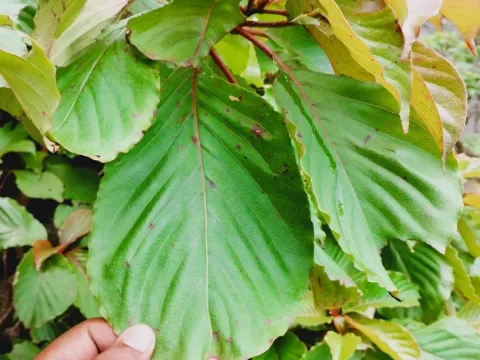
Hymenodictyon is a genus of flowering plants belonging to the Rubiaceae family. Native to tropical regions of Africa and Asia, these plants typically manifest as deciduous trees. They are recognized for their distinct botanical structure, often characterized by opposite leaves and specialized panicle or spike-like inflorescences that appear after the onset of the rainy season.
What the section contains


Hymenodictyon
The cultivation of Hymenodictyon requires a strictly tropical environment. These trees thrive in areas with high annual temperatures and a clear distinction between wet and dry seasons. Sunlight is a critical factor for their growth, as the plants require full exposure to develop a robust canopy and maintain their physiological health throughout the year.
Regarding soil requirements, the species prefers well-drained soils that are rich in organic matter. Sandy loams or alluvial soils are considered ideal, provided that they do not facilitate waterlogging. Proper aeration of the root system is essential, as the species is highly sensitive to hypoxia caused by stagnant water, which can lead to rapid deterioration of root health.
The agronomic management of Hymenodictyon involves careful site selection and the maintenance of soil fertility. During the early stages of growth, saplings require supplemental irrigation during the dry season to establish a strong root system. As the trees reach maturity, they exhibit greater resilience, though periodic fertilization is recommended to promote the accumulation of secondary metabolites in the bark.
The economic value of this crop is primarily derived from its therapeutic bark. Historically and in modern ethnobotany, extracts from the bark are valued for their bitter, antipyretic, and anti-malarial properties. Furthermore, the timber is utilized in regional construction, appreciated for its moderate durability and utility in various artisanal applications within its native range.
Common threats to Hymenodictyon plantations include fungal infections that manifest in excessively humid conditions, leading to wood decay and root rot. Insect pests, such as wood-boring beetles, can pose significant challenges by damaging the stem and reducing the quality of the harvestable bark. Implementing a strict phytosanitary regime and maintaining optimal plant spacing are key strategies for managing these agricultural risks.