
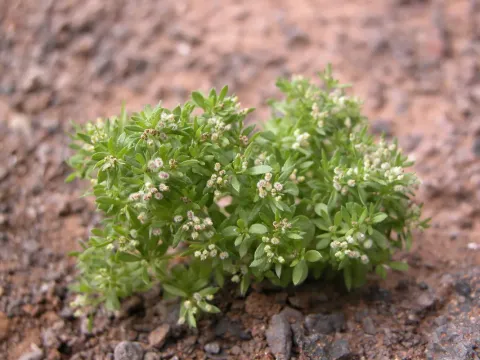
Galium geminiflorum
Galium geminiflorum
Galium geminiflorum belongs to the large Rubiaceae family. This herbaceous plant prefers moderately moist habitats with good light exposure in its natural environment.
What the section contains
Galium geminiflorum
The plant has specific soil requirements: it favors well-drained loamy or sandy loam soils with a neutral or slightly acidic pH level.
Climatic conditions for successful vegetative development include moderate air temperatures and the absence of prolonged dry periods during the active growth phase.
Cultivation techniques involve regular inter-row hoeing to prevent crust formation on the soil surface and ensure adequate oxygen supply to the root system.
The economic use of this species is often associated with the potential medicinal properties common to many members of the Galium genus, which contain glycosides and tannins.
Typical threats to the crop include fungal diseases that develop under high soil moisture levels and poor air circulation in dense plantings.
Common pests include sucking insects, such as aphids, which damage young stems and inflorescences, reducing the total vegetative biomass of the plant.
To combat phytopathogens, it is recommended to use preventive protection methods, including crop rotation and monitoring moisture levels in the fields.
Leaf-eating pests can cause significant damage during early development stages, making regular crop scouting in the spring essential.
Using biological control agents is the preferred method for maintaining the purity of raw materials if the plant is being cultivated for pharmaceutical purposes.