
Galium firmum
Galium firmum
Description
Growing requirements
Galium firmum is a perennial herbaceous plant belonging to the Rubiaceae family. It is typically found in temperate regions, where it forms part of diverse meadow and grassland ecosystems. Its ability to thrive in varied habitats makes it a point of interest for ecological restoration.
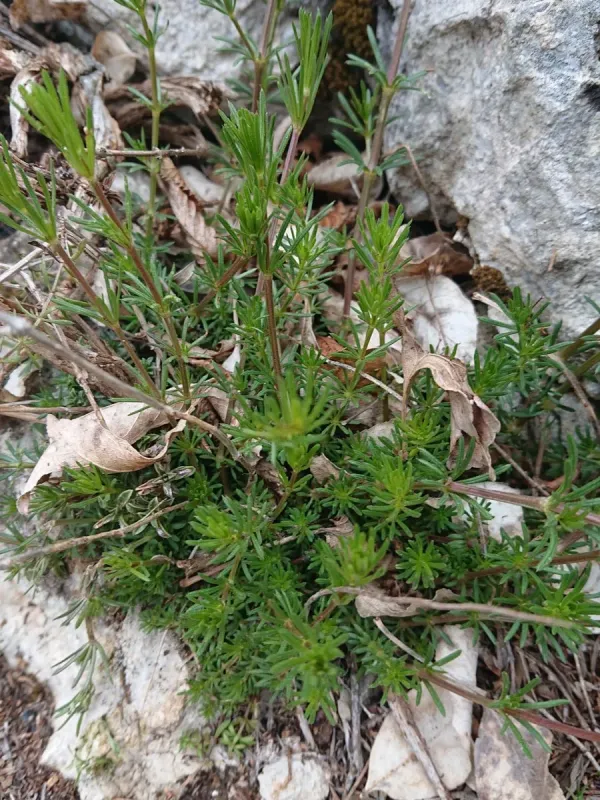
The botanical structure of the plant is marked by slender, quadrangular stems and whorled leaves, which are hallmark features of the genus Galium. It maintains a robust root system that helps anchor the plant effectively in various soil types, from loams to lighter, sandy substrates.
Agricultural requirements include well-drained soil conditions and exposure to moderate sunlight. While the plant is quite hardy, it shows optimal biomass accumulation in neutral to slightly alkaline pH environments, avoiding areas with prolonged waterlogging.
The climate tolerance of Galium firmum is notable, as it withstands significant seasonal temperature fluctuations. It possesses a degree of drought resistance, making it suitable for areas where frequent irrigation is not feasible or desired.
In terms of хозяйственное использование, this species can be integrated into pasture management schemes. Its chemical profile includes substances that may be beneficial for livestock when consumed as part of a mixed forage diet, contributing to overall mineral intake.
Main diseases and pests
The primary threats to Galium firmum include fungal infections like powdery mildew, particularly during humid weather patterns. Ensuring proper air circulation within the plant canopy is essential to mitigate these biological risks.
Insects, particularly beetles and aphids, may affect the vegetative growth of the plant. A proactive monitoring approach helps in detecting early infestations, allowing for targeted and environmentally friendly control strategies.
Crop rotation practices should be carefully managed to prevent the build-up of host-specific soil pathogens. This is crucial for maintaining the long-term vigor of a field dedicated to this species.
Weed management during the seedling stage is critical, as the young plants are sensitive to competition from faster-growing species. Keeping the seedbed clear is a priority for successful establishment.
Regular maintenance, such as harvesting or mowing, is recommended to prevent the buildup of dormant disease spores and to encourage fresh, healthy growth, thereby ensuring the longevity of the plant stand.