
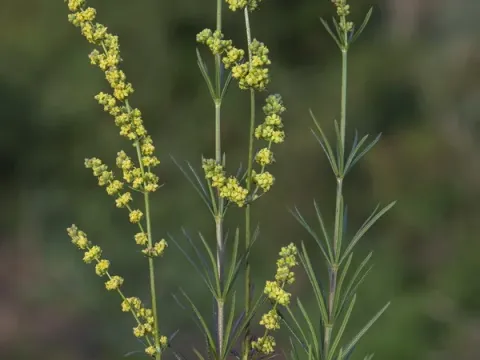
Galium concatenatum
Galium concatenatum
Galium concatenatum is a herbaceous perennial plant belonging to the Rubiaceae family. It is recognized for its characteristic structure and botanical features consistent with other members of the Galium genus.
What the section contains
Galium concatenatum
The native range of the species typically involves mountainous regions and rocky slopes. It thrives in well-drained soils and shows a clear preference for calcareous substrates, which support its growth.
Climatic requirements focus on a temperate environment where the plant can access consistent light. It demonstrates significant resilience to various temperature shifts characteristic of mountainous landscapes.
Botanical characteristics feature a four-angled stem with whorled leaves, providing both stability and efficient surface area for photosynthesis. The root system is branched, allowing the plant to colonize available soil space.
In terms of хозяйственное usage, Galium concatenatum is primarily studied for its secondary metabolites. It remains a species of interest for botanical research due to its chemical composition and ecological role.
The primary threats to this plant include fungal pathogens that affect the foliage under high humidity conditions, leading to various types of leaf spotting.
Pest pressure often originates from aphids and leaf-feeding insects that target the soft parts of the plant during the peak vegetative stage.
In agricultural settings, the plant may compete with crops, requiring integrated management practices to ensure it does not negatively impact agricultural productivity.
Environmental stress such as extreme dehydration can reduce the vigor of the plant, making it more susceptible to external environmental stressors.
Effective management strategies rely on identifying early symptoms of disease and maintaining soil health to ensure the robustness of the plant community.