
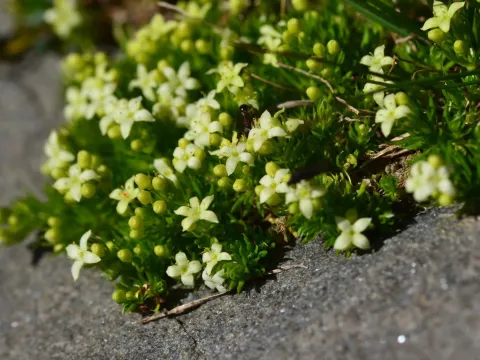
Galium cespitosum
Galium cespitosum
Galium cespitosum, commonly known as a type of bedstraw, is a member of the Rubiaceae family. This perennial herb is naturally adapted to rocky landscapes and mountainous regions, where it exhibits a tufted growth habit.
What the section contains
Galium cespitosum
The crop thrives in well-drained, neutral to slightly acidic soils. It requires plenty of natural light and does not perform well in heavily shaded environments, which can lead to elongated, weak stems.
Being a hardy species, it withstands cold winters well and adapts to various temperature fluctuations. Its physiological structure allows it to survive in harsh climatic zones without specific winter protection.
Water requirements are relatively low. The plant prefers moderate moisture levels and is sensitive to waterlogged conditions, which can lead to root system degradation and poor overall growth.
Soil aeration is critical for the development of its root structure. Providing a porous substrate helps the plant establish a firm hold and prevents the accumulation of excess moisture around the base.
While not a primary cash crop, Galium cespitosum serves as a significant component in forage production. Its integration into pastures can improve the overall nutritional profile of grazing fields.
The plant is highly valued for its soil-binding capabilities. Due to its dense growth, it acts as an effective stabilizer for slopes and areas susceptible to soil erosion.
Biomass production depends on the soil nutrient profile and management intensity. Fertilizer application, particularly nitrogen-based, can boost its growth during the peak spring season.
Harvesting for forage should ideally occur during the flowering phase. This timing ensures that the plant tissue contains the optimal balance of nutrients and bioactive compounds for livestock consumption.
In managed agricultural systems, keeping the crop free from competitive invasive weeds is essential to ensure a high yield of clean, usable green mass per hectare.
Fungal pathogens, particularly powdery mildew, represent the most significant threat to Galium cespitosum, especially in regions with high humidity or poor air circulation within the plant canopy.
Insects like aphids can occasionally infest tender shoots. While usually not lethal, significant infestations can stunt the plant's growth and reduce the quality of its biomass.
Root rot is a common issue linked to poor soil drainage. When the plant is grown in overly heavy clay soils, the inability of the roots to respire leads to rapid decline and plant loss.
Weed competition is particularly intense during the establishment phase. Proper spacing and proactive weeding strategies are required to prevent neighboring species from outcompeting the crop.
Integrated pest management strategies should be employed to minimize chemical use, focusing on crop rotation and optimal site selection to maintain the long-term health of the planting area.