
Galium hypocarpium
Galium hypocarpium
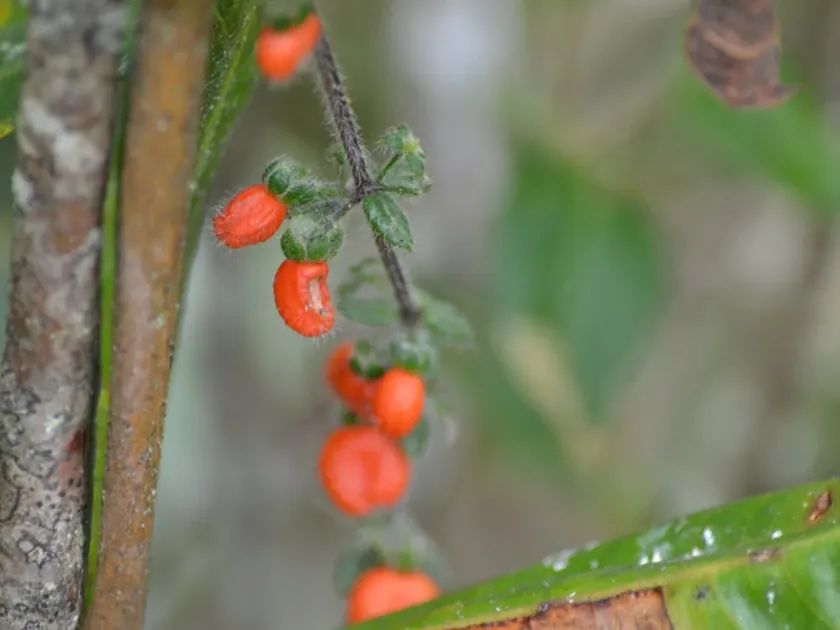
Description
Growing requirements
Galium hypocarpium belongs to the Rubiaceae family and is an herbaceous perennial that thrives in cool, moist environmental conditions. It is typically found in habitats that provide consistent moisture and partial shade.
Successful cultivation requires soil with excellent drainage and a high organic content. The plant performs best in slightly acidic to neutral soils, which facilitate the uptake of necessary nutrients for robust development.
Water management is the most important factor in the agronomy of this species. While it requires consistent moisture, excessive irrigation that leads to waterlogged conditions is detrimental to its root system health.
Spacing is essential for this plant to ensure adequate air circulation. Planting density should be carefully managed to reduce the humidity levels around the foliage, which helps in preventing various fungal outbreaks.
The plant exhibits unique morphological characteristics, including a multi-node stem structure. Understanding these botanical features is key to implementing effective pruning or harvesting strategies throughout the growing season.
Main diseases and pests
The primary diseases threatening Galium hypocarpium include powdery mildew, which thrives in stagnant air and moderate temperatures. Preventive spraying with organic fungicides can mitigate these risks.
Aphids are the most common insect pests encountered during the growing cycle. They primarily target the soft, succulent tissues of the plant, often requiring integrated pest management approaches.
Root rot caused by pathogenic fungi is a constant risk in heavy, compacted soils. Providing proper soil amendments and avoiding over-watering are the best defensive measures against these pathogens.
Slugs and snails can cause significant damage to young plants. Implementing physical barriers or traps is recommended to protect the crop during the early stages of its establishment.
Weed competition is a significant threat during the initial growth phase. Manual weeding or the use of mulching techniques can help the crop gain dominance and ensure healthy maturation.