
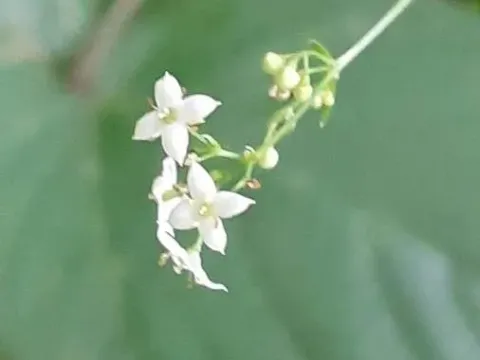
Galium aristatum
Galium aristatum
Galium aristatum is a perennial herbaceous plant belonging to the Rubiaceae family. It is natively distributed across parts of Europe, commonly inhabiting woodland edges and meadows where the soil composition is rich in organic matter.
What the section contains
Galium aristatum
Botanically, the plant features a characteristic upright stem with whorled, narrow leaves, which is a signature morphology for species within the Galium genus. Its root system is well-developed, allowing it to adapt effectively to its surrounding environment.
Agricultural requirements include a preference for well-drained, fertile soils with a neutral pH level. Proper site selection is crucial, as the plant does not tolerate waterlogging, which can lead to root degradation and stunted overall development.
Regarding climate, this species thrives in temperate regions. It is highly valued for its cold hardiness, ensuring survival through harsh winters, and it performs best in areas that receive consistent rainfall throughout the growing season.
In economic terms, Galium aristatum is utilized in specialized agricultural contexts, often studied for its secondary metabolites or used in traditional herbal practices, contributing to the botanical diversity of agricultural fields.
Fungal diseases, specifically powdery mildew, represent the primary threat to the health of Galium aristatum crops, particularly when the canopy is too dense or when airflow is restricted.
Pest pressures are typically exerted by aphids and various leaf-eating beetles. These insects can cause significant damage to the plant's foliage during the mid-summer months, necessitating integrated pest management strategies to protect the yield.