
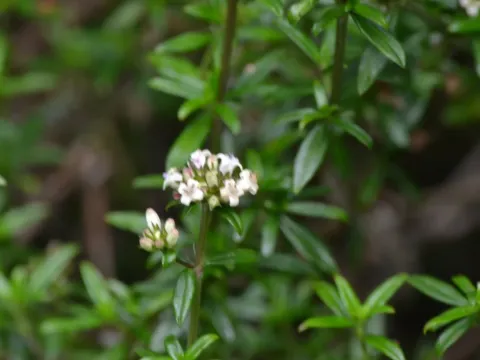
Galianthe
Galianthe
Galianthe is a genus of perennial herbaceous plants belonging to the Rubiaceae family. The plants are primarily native to tropical regions of South America, requiring specific environmental conditions for germination and early growth stages.
What the section contains


Galianthe
The sowing process involves using well-drained, nutrient-rich soil substrates. It is essential to maintain consistent moisture levels without allowing the soil to become waterlogged, as seeds are sensitive to rotting during the initial phases.
Seeds should be sown at a shallow depth, usually covered by a thin layer of soil or fine vermiculite. Light exposure is often a key trigger for the germination of many species within this genus, so surface sowing is recommended.
Optimal germination occurs at temperatures between 22 and 26 degrees Celsius. Providing a stable, warm environment significantly improves the uniformity of sprouts and reduces the time required for emergence.
Once seedlings have reached the two-leaf stage, they can be transplanted into larger containers or field plots. Careful handling is required to prevent damage to the delicate root system, which is characteristic of young Galianthe plants.
Galianthe thrives in acidic to neutral soil types with high organic matter content. Regular soil testing is advised to ensure that pH levels remain within the optimal range for nutrient uptake and healthy growth.
The plants require a moderate to high level of humidity. In drier climates, the use of irrigation systems is mandatory to simulate the natural tropical habitat and prevent leaf desiccation and stunted development.
While the plants tolerate partial sunlight, intense direct exposure should be avoided to prevent scorched leaves. Dappled shade or controlled light intensity is ideal for maintaining the physiological balance of the plant.
Temperature management is critical; Galianthe prefers consistent warmth and suffers from metabolic collapse when exposed to temperatures below 10 degrees Celsius. Protecting the crop from thermal stress is vital for consistent yield.
Soil aeration is promoted through manual or mechanical cultivation of the topsoil layer. This practice helps prevent soil compaction and ensures that the root zone receives adequate oxygen for aerobic respiration.
Root pathogens such as Pythium and Rhizoctonia pose the most significant threat to Galianthe plantations. These fungi thrive in moist, poorly drained conditions and can quickly lead to widespread crop loss if not managed.
Common insect pests, including spider mites and aphids, are known to feed on the tender tissues of the foliage. Infestations lead to reduced photosynthetic efficiency and may serve as vectors for secondary bacterial infections.
Weed management is essential, especially during the establishment phase. Rapidly growing weeds can outcompete young Galianthe plants for sunlight, water, and essential soil minerals, necessitating early-season intervention.
Integrated Pest Management (IPM) strategies, including the use of beneficial insects and regular scouting, are the most effective ways to maintain the health of the crop without relying exclusively on synthetic pesticides.
Preventative measures, such as maintaining adequate spacing between plants and ensuring proper air circulation, significantly reduce the incidence of fungal and bacterial diseases within the greenhouse or open field.