
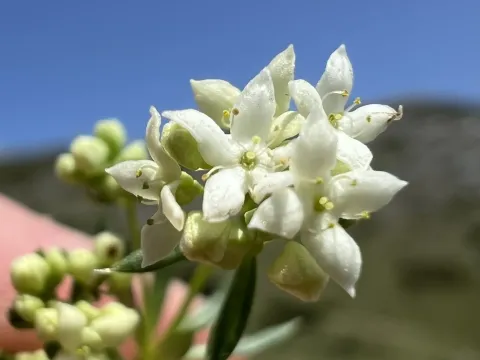
Galium anisophyllon
Galium anisophyllon
Galium anisophyllon is a perennial herbaceous plant belonging to the Rubiaceae family. Known for its low-growing habit, this species is well-adapted to alpine and subalpine environments, where it often forms compact mats on stony slopes and meadows.
What the section contains
Galium anisophyllon
The plant thrives in well-drained, sandy or gravelly soils with a neutral to slightly alkaline pH. It is highly resistant to extreme temperature fluctuations and is well-suited for high-altitude conditions, requiring high solar radiation for healthy development.
Regarding moisture, Galium anisophyllon requires consistent but not excessive supply. Waterlogged conditions are detrimental to the root system, making proper soil drainage a key factor in successful cultivation. Drought tolerance is moderate, as the plant is acclimated to mountainous water regimes.
Agricultural management is typically extensive, focusing on mimicking natural alpine conditions. In garden or experimental settings, the plant requires minimal fertilization, as it is adapted to nutrient-poor substrates, but weed control is essential during the initial establishment phase.
Economically, this species is used primarily for soil stabilization in high-altitude terrain and as a fodder component in native mountain pastures. Its potential for ornamental use in rock gardens is also highly valued due to its persistent green foliage and aesthetic appeal.
Fungal pathogens represent the primary threat to the health of Galium anisophyllon. Powdery mildew is the most common disease, particularly during warm and humid weather, which can lead to rapid deterioration of the leaves if left untreated.
Insect pests, including aphids and leaf-eating beetles, can cause significant damage to the vegetative parts of the plant. Aphid infestations specifically can weaken the plant's overall vigor by extracting sap from tender young shoots.
Root system health is often compromised by improper irrigation, leading to root rot. This issue is particularly prevalent in areas where the soil lacks sufficient aeration, creating an environment favorable for opportunistic soil-borne pathogens.
While the plant is quite hardy, severe pest outbreaks can occur in monoculture plantings. Integrated pest management, focusing on biological controls and maintaining adequate plant spacing, is the most effective approach for large-scale management.
Proactive monitoring of the foliage for early signs of disease is recommended. Removing infected plant parts and ensuring a well-ventilated site are critical practices to maintain the longevity and health of the crop.