
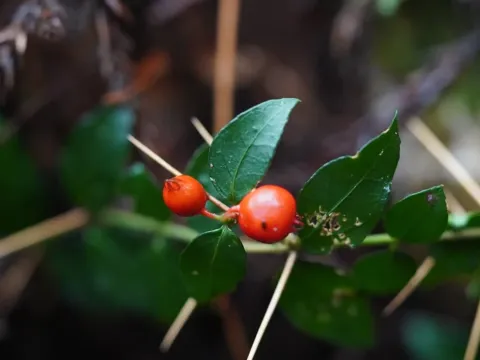
Damnacanthus
Damnacanthus
Damnacanthus is a genus of evergreen shrubs belonging to the Rubiaceae family. Native to East Asia, these plants typically thrive in the understory of broadleaf forests, preferring environments with consistent moisture, high humidity, and filtered natural light throughout the day.
What the section contains


Damnacanthus
For successful agricultural production, Damnacanthus requires well-draining, nutrient-rich soil. It is essential to ensure that the substrate is slightly acidic to neutral and remains consistently moist without being waterlogged, as the root system is sensitive to oxygen deprivation caused by stagnant water.
Climate management is crucial for the cultivation of this species. While it is adapted to subtropical environments, it requires protection from severe frosts. In colder regions, the crop is best managed in greenhouses or climate-controlled environments where ambient temperatures can be kept stable.
The agrotechnical management of Damnacanthus involves regular mulching to maintain soil moisture levels and suppress weed competition. Pruning should be performed periodically to maintain plant shape and encourage dense growth, which also improves airflow within the canopy.
Beyond its ornamental appeal, Damnacanthus is significant for its potential in the pharmaceutical industry. Various species within the genus are researched for their bioactive compounds, which are historically utilized in traditional Asian medicine for their therapeutic properties.
Fungal pathogens remain the primary threat, particularly in poorly ventilated conditions. Botrytis and various leaf spot diseases can develop if moisture levels on the foliage remain high for extended periods, necessitating careful irrigation and foliage management.
Scale insects and spider mites are the most common pests affecting this culture. These insects thrive in warm, dry environments and can cause significant foliage damage if left uncontrolled, making early detection and preventive spraying essential.
Root rot is a persistent problem when irrigation protocols are not strictly followed. Ensuring adequate drainage and avoiding overhead watering during cool periods significantly reduces the likelihood of these pathogens establishing in the root zone.
Aphids can cause damage to the tender new growth of the shrub in early spring. Integrated pest management, including the use of biological control agents or soft insecticidal soaps, is recommended to manage populations without affecting the plant's health.
Nutritional disorders, specifically magnesium or iron deficiencies, may manifest as leaf yellowing. Regular soil testing and the application of balanced, chelated micronutrient fertilizers are necessary to maintain vigorous growth and ensure optimal chemical production in the plant tissues.