
Crucianella patula
Crucianella patula
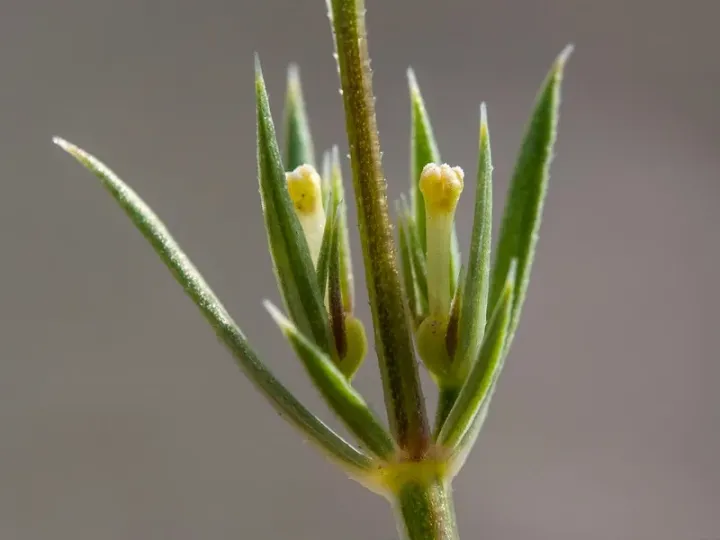
Description
Sowing dates
Crucianella patula is typically propagated by seeds, which should be sown during the spring season once the soil has warmed up sufficiently.
The ideal time for sowing is during the frost-free period, ensuring that the soil temperature is stable to support rapid germination of the seeds.
Due to the small size of the seeds, surface sowing or covering with a very thin layer of soil is recommended to ensure successful establishment.
Proper spacing between rows is essential to facilitate mechanical weeding and to provide enough space for individual plants to develop fully.
Maintaining consistent moisture levels during the initial germination phase is crucial, especially in regions with low spring precipitation.
Growing requirements
This species belongs to the Rubiaceae family and thrives in environments that offer plenty of direct sunlight and minimal competition from other vegetation.
The plant performs best in well-drained, sandy or loamy soils, which prevent the accumulation of excess water around the delicate root system.
Crucianella patula is known for its tolerance to drought conditions, making it a robust crop for areas characterized by arid or semi-arid climates.
Neutral to slightly alkaline soil pH levels are preferred, and the plant does not require high levels of supplemental fertilization for healthy growth.
Adequate air circulation around the plants is important to maintain vigorous growth and to prevent the development of physiological stress.
Main diseases and pests
Pathogenic fungi represent the primary threat to Crucianella patula crops, particularly in seasons with prolonged wet and cloudy weather conditions.
Root rots can become a major issue if the soil remains waterlogged for extended periods, leading to stunted growth or sudden plant mortality.
Sucking insects, such as aphids, can cause significant damage to the floral parts and leaves, necessitating early detection and control measures.
Effective management strategies include cultural practices like proper plant spacing to minimize humidity levels in the foliage canopy.
Integrated pest management, including the use of targeted biological or chemical agents, is recommended if threshold levels of infestation are exceeded.