
Damnacanthus indicus
Damnacanthus indicus
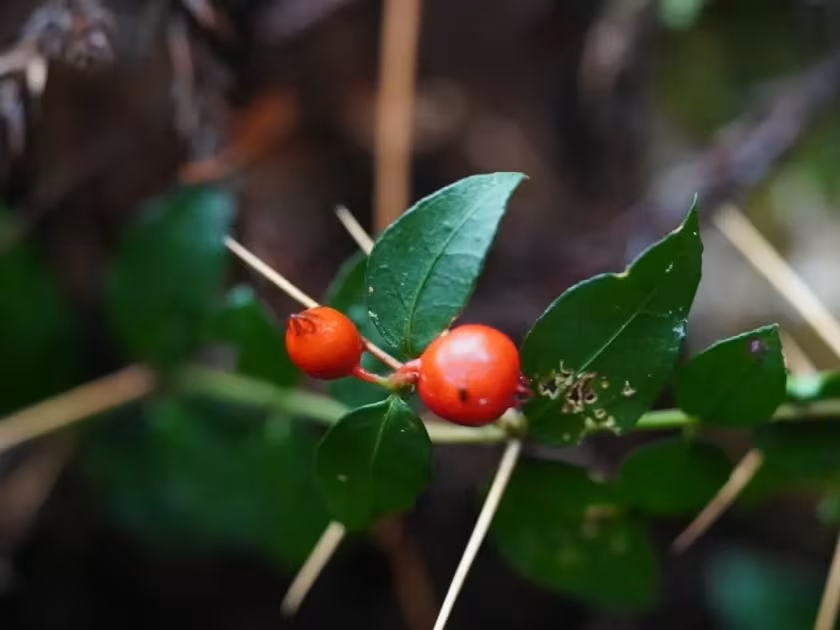
Description
Growing requirements
Damnacanthus indicus is a slow-growing, evergreen thorny shrub belonging to the Rubiaceae family. It is native to the temperate and subtropical forests of East Asia, where it typically develops in the shaded understory.
The plant thrives in soil that is rich in leaf mold, well-draining, and slightly acidic. When cultivated, it requires a location protected from direct sunlight, which can easily scorch its glossy, dark-green foliage and hinder its development.
In terms of climate requirements, the plant prefers humid, moderate temperatures. It is not cold-hardy in temperate climates, necessitating greenhouse cultivation or container gardening if winter temperatures drop below freezing.
Proper agronomic care involves maintaining consistent soil moisture, as the plant is susceptible to drought stress. Regular application of a balanced liquid fertilizer during the growing season helps to encourage dense growth and fruit production.
This shrub is highly valued not only for its ornamental attributes, such as its small white flowers and decorative red berries but also for its historical significance in traditional Asian medicinal practices.
Main diseases and pests
Spider mites are the most common pest problem for Damnacanthus indicus, especially when grown in indoor or greenhouse environments with low relative humidity levels.
Root rot caused by Phytophthora or Pythium species is a significant threat if drainage is inadequate. Ensuring that the soil structure is porous and avoiding waterlogging is essential to prevent these fungal infections.