
Crucianella transjordanica
Crucianella transjordanica
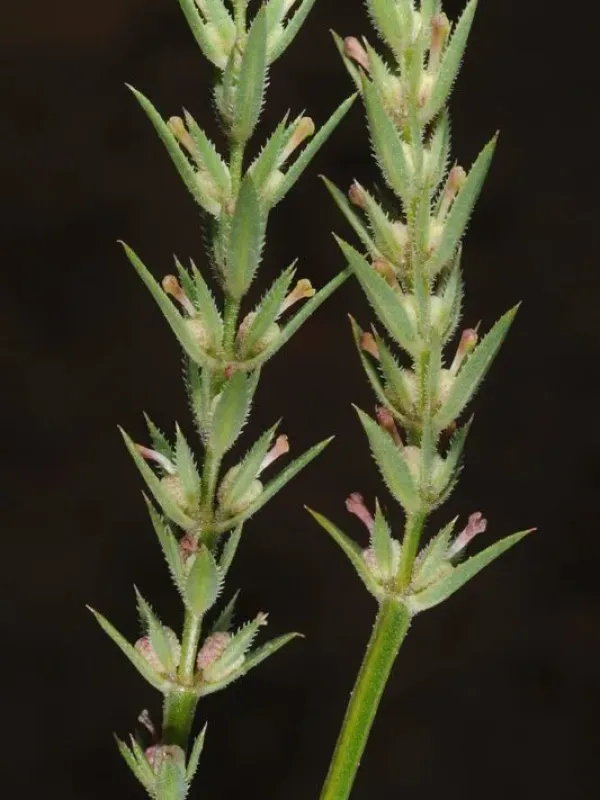
Description
Growing requirements
Crucianella transjordanica is a botanical member of the Rubiaceae family. This species originates from the semi-arid regions of the Transjordan area, which defines its inherent adaptability to harsh environmental conditions and low water availability.
The plant thrives in well-drained, porous soils, including sandy and rocky substrates. Providing proper drainage is essential for this culture, as root rot can occur rapidly in saturated or heavy, clay-rich soil conditions.
Regarding climate requirements, the plant demands high levels of solar exposure and warm temperatures. It is well-suited for regions with long, dry summers where other standard crops might suffer from heat stress and irrigation shortages.
The agronomic management of Crucianella transjordanica focuses on minimal soil disturbance to protect the integrity of the root zone. Its drought-resistant nature reduces the need for extensive irrigation infrastructure, making it a sustainable option for arid land cultivation.
Successful production relies on selecting sites with good air circulation and low humidity levels. Regular monitoring of the foliage is recommended to detect any signs of stress, particularly during the transition from the vegetative stage to maturity.