
Crusea parviflora
Crusea parviflora
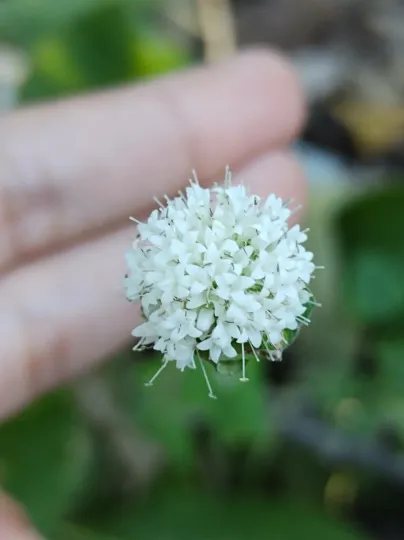
Description
Sowing dates
Crusea parviflora belongs to the Rubiaceae family. It is a herbaceous plant that is valued for its unique growth habit and is often integrated into specialized gardening or small-scale crop systems.
Sowing in a controlled environment typically begins in early spring. The seeds require warmth and light to germinate successfully; therefore, they should be placed on the surface or covered very lightly with fine substrate.
When transplanting to the field, ensure the soil temperature has stabilized. The seedlings should be hardened off for at least 10–14 days to prepare them for fluctuating outdoor conditions.
Direct seeding requires a well-prepared seedbed that is free of debris. Spacing should be maintained at roughly 25 centimeters to prevent overcrowding, which is essential for proper plant vigor.
Seed vitality can vary, so it is recommended to test germination rates before large-scale sowing. Proper storage in a cool, dry place preserves seed quality for the next planting cycle.
Growing requirements
This species thrives in locations with ample sunlight, although it can tolerate partial shade in hotter climates. Adequate light exposure is critical to prevent etiolation of the stems.
Soil quality should be nutrient-rich and well-drained. Sandy loam soils are ideal as they allow for healthy root development while preventing waterlogging, which the plant generally dislikes.
Water requirements remain moderate throughout the growing season. It is best to maintain consistent soil moisture, allowing the surface to dry out slightly between irrigation cycles to prevent root rot.
The optimal temperature for development is between 20 and 25 degrees Celsius. Extreme cold or frost can cause irreparable damage to the tissues, necessitating protective measures in cooler regions.
Fertilization with balanced NPK fertilizers helps sustain strong foliage and flower production. It is recommended to apply nutrients during the early stages of the vegetative period.
Main diseases and pests
Powdery mildew represents a significant risk in humid conditions. Ensuring proper ventilation between rows is the most effective preventative measure against this fungal pathogen.
Spider mites can become a nuisance during hot, dry spells. Regular inspection of the undersides of the leaves is advised to detect early signs of infestation and apply corrective actions.
Root rot is typically associated with poor drainage and excessive irrigation. If the symptoms are noticed, irrigation must be halted immediately, and the soil should be amended to improve permeability.
Aphids often target young shoots and may vector viral diseases. Integrated pest management, including the use of neem oil or insecticidal soaps, is highly effective for controlling these populations.
Sanitation practices, such as removing fallen leaves and pruning diseased sections, are essential to maintain the health of the crop and minimize the spread of pathogens.