
Damnacanthus major
Damnacanthus major
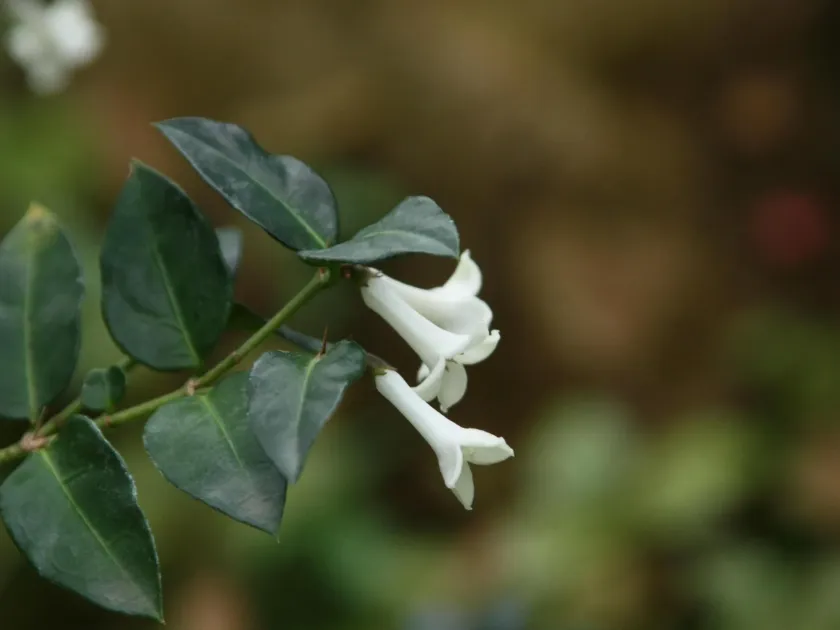
Description
Growing requirements
Damnacanthus major is an evergreen shrub belonging to the Rubiaceae family. Native to the forested regions of East Asia, including Japan and China, this plant is valued for its unique structural features and resilience in shaded forest floors.
Botanically, the plant is recognized by its rigid, paired spines located at the leaf nodes, which serve as a natural defense mechanism. The foliage is thick, leathery, and typically dark green, arranged in a way that provides significant canopy density.
Cultivation requires specific environmental conditions, primarily an acidic, well-draining soil rich in organic matter. Successful growth depends on replicating the plant's natural habitat, which is characterized by filtered light or deep shade rather than direct sunlight exposure.
The species demands a consistent moisture level in the substrate. While it needs hydration, waterlogging is strictly avoided to prevent root damage, which makes proper drainage a critical aspect of its agricultural management.
Regarding climate, Damnacanthus major thrives in environments with stable temperatures and high air humidity. It is sensitive to extreme heat and dry winds, requiring protected locations in greenhouses or sheltered garden areas to maintain optimal physiological activity.
Main diseases and pests
The most common health issues for Damnacanthus major involve fungal pathogens that attack the root system, usually triggered by poor drainage. Ensuring that the soil structure remains airy is essential for long-term plant health.
Pests such as spider mites and scale insects can affect the plant, particularly in indoor or greenhouse settings where humidity levels might fluctuate. Regular monitoring and physical removal of pests are recommended as primary management strategies.