
Crucianella latifolia
Crucianella latifolia
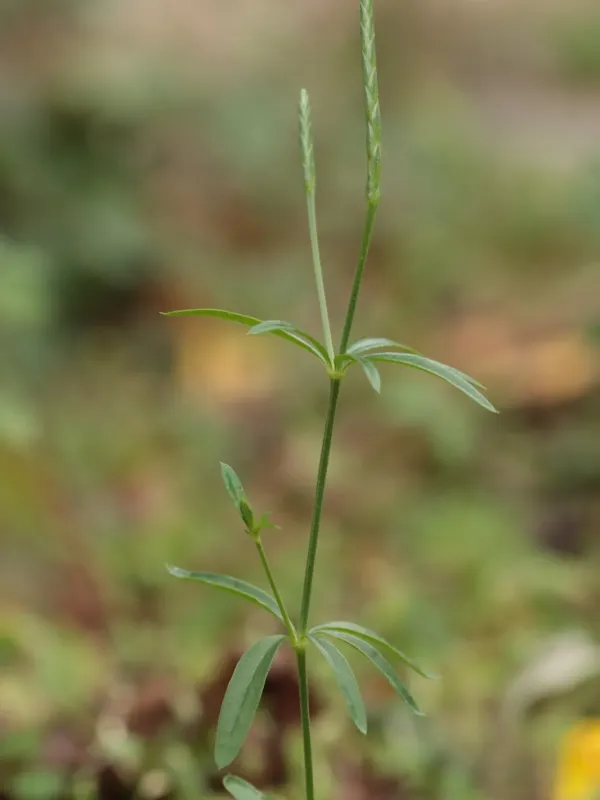
Description
Sowing dates
Crucianella latifolia is typically sown in the spring season when the soil has warmed sufficiently. The optimal time is generally late April or May, depending on the specific regional climate.
For direct seeding in the ground, choose well-lit areas with well-draining soil. Seeds should be sown at a shallow depth, ensuring consistent moisture until germination occurs.
A transplanting method is also possible, which allows for a head start and shortens the time until the flowering stage. Seedlings are planted in their permanent location once the risk of frost has passed.
Planting density is adjusted based on the intended use, whether for group displays in landscape design or for harvesting as cut flowers.
It is important to avoid overcrowding the plants, as proper air circulation is essential for the health of the stems of this member of the Rubiaceae family.
Growing requirements
The culture has moderate soil requirements, preferring loose, sandy, or loamy substrates. The plant does not tolerate waterlogging around the roots, so an effective drainage system is a mandatory requirement.
Crucianella latifolia is a heat-loving species native to the Mediterranean. It develops fully only with sufficient sunlight and prefers open, sunny locations.
The plant demonstrates good drought tolerance; however, during the active growth and flower formation phase, it requires regular watering. Excess nitrogen fertilizers can lead to excessive green growth at the expense of floral quality.
Soil acidity requirements are in the neutral range. The culture thrives in soils with a pH of 6.5 to 7.5, which is typical for most garden settings.
In temperate climates, the plant may need protection from strong, cold winds. Despite its low maintenance, it develops best in areas protected from drafts with good natural ventilation.
Main diseases and pests
The main threat to Crucianella latifolia is fungal diseases, which develop in conditions of excess soil or air moisture. Root rot can lead to rapid plant decline if the soil drainage is inadequate.
Pests such as spider mites may attack the plant during prolonged dry spells and high temperatures. Regular inspection of the undersides of leaves helps to identify infestations early.
Aphids often colonize the young tops of shoots early in the season, sucking sap and hindering plant growth. Control measures include the use of biological insecticides or mild soap solutions.
Powdery mildew can occur during sharp temperature fluctuations and high humidity. Timely removal of affected plant parts helps prevent the spread of infection to neighboring specimens.
Disease prevention involves adhering to proper watering schedules and timely weeding. Removing weeds around the Crucianella reduces competition for nutrients and prevents the buildup of pathogens.
Harvesting
Harvesting Crucianella latifolia is carried out during the full flowering phase when the inflorescences are maximally open and look their most attractive. At this time, the plant contains an optimal concentration of compounds that ensure the preservation of appearance during drying.
Stems are cut in the morning hours after the dew has evaporated, which positively impacts the quality of the dried material. Sharp tools are used to prevent crushing of the stem fibers.
For drying, the plants are tied into small bunches and hung upside down in a well-ventilated area protected from direct sunlight. This allows the flowers to retain their natural color and shape.
In terms of practical use, Crucianella is valued as a spectacular dried flower that maintains its decorative quality for a long time in interior arrangements. Dried stems are resistant to deformation and shedding when handled with care.
Properly harvested and dried material can be stored throughout the winter season without losing its aesthetic qualities, making the crop highly sought after in the floral industry.