
Cordiera sessilis
Cordiera sessilis
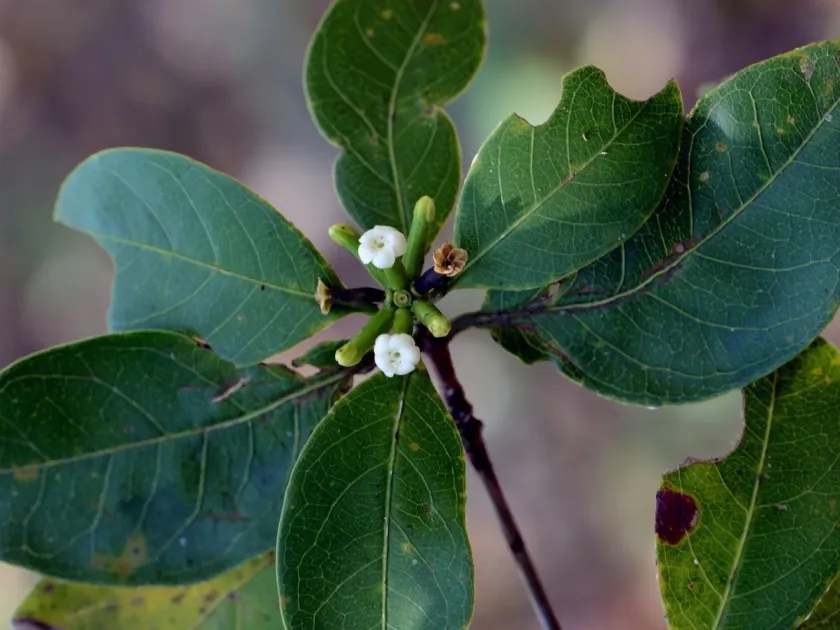
Description
Growing requirements
Cordiera sessilis is a perennial shrub belonging to the Rubiaceae family. Native to the tropical regions of South America, particularly Brazil, this species is well-adapted to humid environments and forest margins.
The plant requires high and consistent temperatures throughout the year to thrive, as it is highly sensitive to frost and cold snaps. It performs best in locations that offer full sun exposure, although some light shade is acceptable during the juvenile phase.
Soil requirements focus on fertility and drainage. The species prefers rich, organic-heavy loams with a slightly acidic pH level. Ensuring the soil does not become waterlogged is crucial for maintaining plant health.
Consistent watering is essential, especially during the growth phase, to ensure high-quality fruit development. Growers should monitor soil moisture levels closely, as drought stress can lead to stunted growth and flower drop.
Pruning is a necessary aspect of agricultural management for this species. Systematic shaping and thinning of the canopy help manage tree size, improve air circulation, and promote more efficient fruit production.
Yield
The primary agricultural interest in Cordiera sessilis lies in its edible fruits, which are consumed locally for their unique taste and nutritional profile. These berries are often processed into beverages or eaten fresh.
Productivity is highly dependent on environmental stability and proper nutrient management. Under optimal plantation conditions, the plant is known to produce consistent yields throughout the harvesting season.
The fruit contains beneficial antioxidants and micronutrients, making it a subject of interest for both local markets and potentially specialized fruit-processing industries interested in native tropical species.
Harvesting is typically performed by hand. Since the fruit has a limited shelf life once fully ripe, efficient logistical chains are required to move the harvest from the field to local consumption points quickly.
As a promising niche crop, its cultivation is becoming increasingly relevant for sustainable farming initiatives in tropical agricultural regions where diverse orchards are encouraged.
Main diseases and pests
The crop is susceptible to various pests, particularly sap-sucking insects that target new shoots and developing buds. Regular scouting of the plantation is vital for identifying infestations early.
Fungal diseases are a significant risk, especially during rainy seasons when humidity is high. Infections like leaf spot can rapidly diminish leaf surface area and reduce the plant's overall vitality.
Root rot is a major threat often associated with poor drainage or overwatering. Once a plant is infected with root-borne pathogens, it is difficult to remediate, often necessitating the removal of the affected individual.
Effective management includes keeping the orchard clean of debris and implementing proper pruning practices to allow for sufficient air movement and sunlight penetration to minimize humidity buildup.
Biological and integrated pest management strategies are recommended to maintain yield quality while ensuring compliance with environmental standards for modern agricultural practices.