
Anthorrhiza bracteosa
Anthorrhiza bracteosa
Description
Growing requirements
Anthorrhiza bracteosa is a remarkable species belonging to the Rubiaceae family, classified primarily as an epiphytic myrmecophyte. Native to the tropical rainforests of New Guinea, it has evolved to grow on trees rather than in soil, showcasing unique survival strategies.
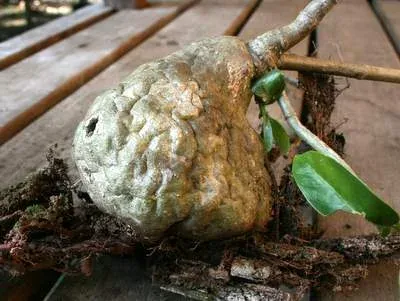
The core feature of this plant is its specialized tuberous caudex, which contains natural cavities. These chambers serve as a nesting site for symbiotic ants. In exchange for housing, the ants provide the plant with nutrients, making it highly dependent on this mutualistic relationship.
Successful cultivation requires environmental conditions that mimic a tropical forest canopy. Growers must maintain a consistent high humidity level, ideally ranging between 75 and 85 percent, to support the plant's physiological processes and overall vigor.
The potting medium must be extremely porous and well-draining, similar to substrates used for epiphytic orchids. A mix of tree bark, perlite, charcoal, and long-fiber sphagnum moss is recommended to ensure that roots can breathe while maintaining necessary moisture.
Light requirements for Anthorrhiza bracteosa are specific, as it thrives in bright but indirect sunlight. Direct sun exposure will likely scorch the leaves and damage the caudex tissue, while insufficient light will lead to spindly growth and loss of vitality.
Main diseases and pests
Fungal pathogens and bacterial rot represent the primary threats to this species, usually triggered by poor drainage or stagnant air conditions. Ensuring proper ventilation around the plant is essential to prevent these diseases from compromising the root system.
Mealybugs are common pests that tend to hide in the deep folds of the caudex and leaf axils, making them difficult to detect early. Regular inspections and the use of insecticidal soap are recommended when signs of infestation appear.
Scale insects can also colonize the plant, depleting its energy reserves and causing the leaves to yellow or drop prematurely. Physical removal of scales using an alcohol-soaked swab is the most effective way to treat localized outbreaks without damaging the plant.
Spider mites represent a significant risk during winter months or periods of low humidity. These pests thrive in dry environments, so maintaining proper ambient moisture is a key preventive measure against their spread in a greenhouse or collection.
Poor water quality, particularly the use of hard water with high mineral content, causes salt buildup in the substrate. This buildup inhibits nutrient uptake and can weaken the plant, eventually making it susceptible to various opportunistic diseases.