
Alibertia patinoi
Alibertia patinoi
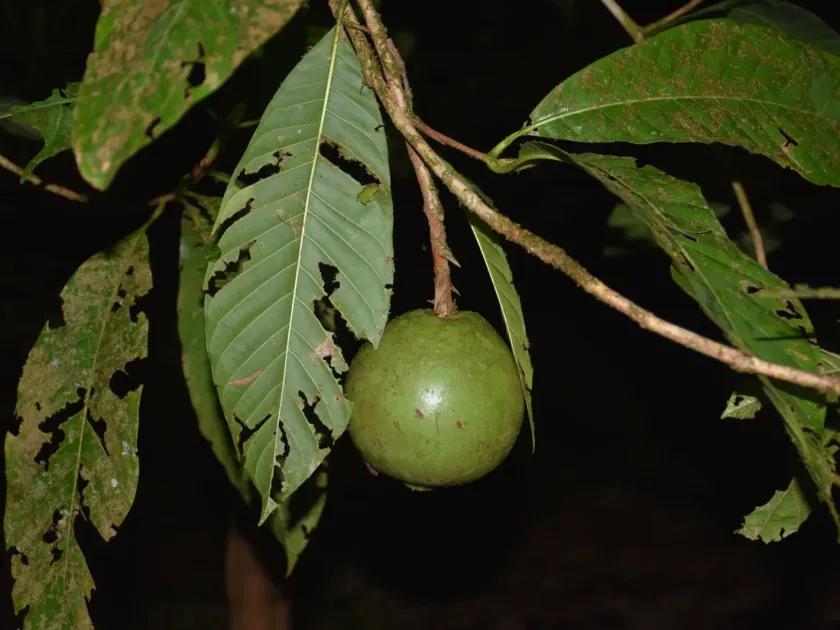
Description
Growing requirements
Alibertia patinoi, commonly referred to as Borojó, is a significant fruit-bearing tree belonging to the Rubiaceae family. Indigenous to the humid tropical forests of northwestern South America, this species thrives in lowland tropical environments.
The crop demands a warm climate with temperatures consistently between 22 and 30 degrees Celsius. It is highly sensitive to cold spells and requires protection from strong winds that can strip its large, broad leaves.
Successful cultivation requires fertile, deep, and well-drained soils rich in organic matter. Borojó prefers slightly acidic soil conditions, which are prevalent in its native Amazonian and Pacific coastal ecosystems.
High humidity and consistent rainfall are essential for the metabolic processes of the plant. In areas with dry seasons, irrigation systems must be installed to maintain soil moisture levels and ensure continuous fruit production.
Young trees require partial shade to mimic the forest canopy understory, which protects them from direct high-intensity sunlight. As the tree matures, it can tolerate more exposure but still performs best with adequate soil moisture.
Yield
Borojó fruits are highly valued for their exceptional nutritional profile, containing dense concentrations of essential amino acids, vitamins, and antioxidants. These properties make them a primary ingredient in energy-dense health drinks.
In addition to beverage production, the pulp is utilized in the food industry for high-value jams, desserts, and purees. The fruit has gained international interest as a functional food, often marketed for its potential revitalizing properties.
Trees typically begin to bear fruit three to four years after planting, with full production capacity reaching its peak as the tree matures. Under managed orchard conditions, fruit yields can be sustained year-round.
The harvest process is delicate, as the fruits reach maturity when they transition to a dark brown hue. Careful handling is necessary to prevent surface damage, as the fruits are susceptible to rapid degradation once picked.
Post-harvest management involves immediate processing into pulp or concentrates to preserve nutritional integrity. This processing step is crucial for export-oriented agricultural models, enabling international trade of this tropical commodity.
Main diseases and pests
The most common threats to Alibertia patinoi include root rot and other fungal pathogens that flourish in waterlogged soil conditions. Proper site selection and drainage management are the most effective preventative measures.
Pests such as mites and aphids can pose significant challenges, particularly during prolonged dry periods. Regular monitoring of the foliage allows for early intervention, reducing the need for extensive chemical applications.
Fungal leaf spots are frequently observed in high-humidity environments, impacting the plant's photosynthetic capacity. Maintaining proper canopy spacing and pruning dead branches significantly improves air circulation and plant health.
Integrated pest management (IPM) strategies are recommended to maintain ecological balance within the orchard. Utilizing biological controls helps mitigate the impact of parasites while ensuring that the final harvest meets safety standards.
Robust plant health is the best defense against stressors; therefore, a balanced fertilization program is essential. Providing adequate nutrients enables the tree to resist common pathogens and recover effectively from environmental stress.