
Chaenomeles speciosa
Chaenomeles speciosa (Sweet) Nakai
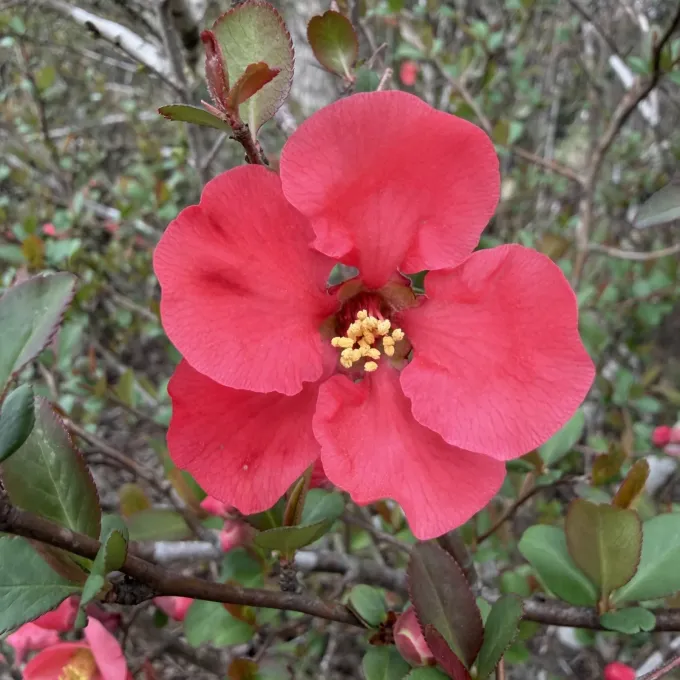
Description
Sowing dates
Seeds of Chaenomeles speciosa are typically sown in the autumn, requiring a period of cold stratification to break dormancy and ensure successful germination.
If sowing in the spring, seeds should be kept in a moist medium in a refrigerator for approximately two to three months before being planted in the soil.
The seeds should be planted at a depth of about 1–2 centimeters in well-drained, nutrient-rich soil to promote strong root development from the start.
Constant moisture must be maintained in the seedbed, and seedlings should be protected from harsh midday sun to prevent drying out and stress.
Since plants grown from seeds may take several years to flower, vegetative propagation methods like cuttings are often preferred for maintaining desired cultivars.
Growing requirements
Chaenomeles speciosa, belonging to the Rosaceae family, thrives in sunny locations that provide the necessary warmth for prolific flowering each spring.
The shrub is adaptable to various soil types, but it performs best in fertile, slightly acidic to neutral loamy soils with excellent internal drainage.
It is relatively hardy, though it benefits from shelter in areas with extreme winter temperatures to protect the young, developing flower buds.
Annual maintenance involves pruning immediately after flowering to remove old wood and encourage fresh growth, which results in better displays of blossoms.
Adding organic compost to the root zone annually supports vigorous growth and improves the plant's natural resistance to pests and environmental stressors.
Yield
A well-maintained mature bush can produce a significant yield, often providing several kilograms of fruit per season depending on pollination success.
The fruits are high in pectin and Vitamin C, making them an excellent choice for crafting jellies, jams, and flavorful preserves in culinary applications.
Cross-pollination is essential for high yields, so planting multiple specimens close to each other is recommended to improve fruit set and quantity.
The fruit's intense fragrance and firm texture make it a popular ingredient for aromatizing rooms and traditional preparations in many world cuisines.
Besides its edible properties, the shrub serves as a vital ornamental asset, providing a stunning visual impact in garden landscapes during early spring.
Main diseases and pests
Common pests affecting this species include aphids and mites, which are particularly troublesome during hot, dry spells and require proactive management.
Integrated pest management, including the use of horticultural oils or gentle insecticidal soaps, is effective in keeping pest populations under control.
Fungal diseases like leaf spot and powdery mildew may occur if air circulation around the canopy is poor or if moisture levels are persistently high.
Regular thinning of the branches helps improve airflow, which significantly reduces the risk of fungal infections throughout the growing season.
Monitoring for signs of root rot is crucial, especially in heavier soils, as poor drainage is the primary cause of plant decline in many gardens.
Harvesting
The harvest period typically occurs in mid to late autumn when the fruit transitions from green to a deep, characteristic yellow color.
Care should be taken to pick the fruit by hand before the first heavy frost, as cold damage can negatively affect the quality and flavor profile.
Once harvested, the fruit should be stored in a cool, dry place where it will continue to ripen and release a very strong, pleasant aroma.
Because of their firmness, the fruits have a long shelf life and can be processed gradually over the winter months for various homemade recipes.
Storing the fruit correctly allows it to mellow, reducing its raw astringency and making it much more versatile for cooking and confectionery purposes.