
Japanese quince
Chaenomeles japonica (Thunb.) Lindl. ex Spach
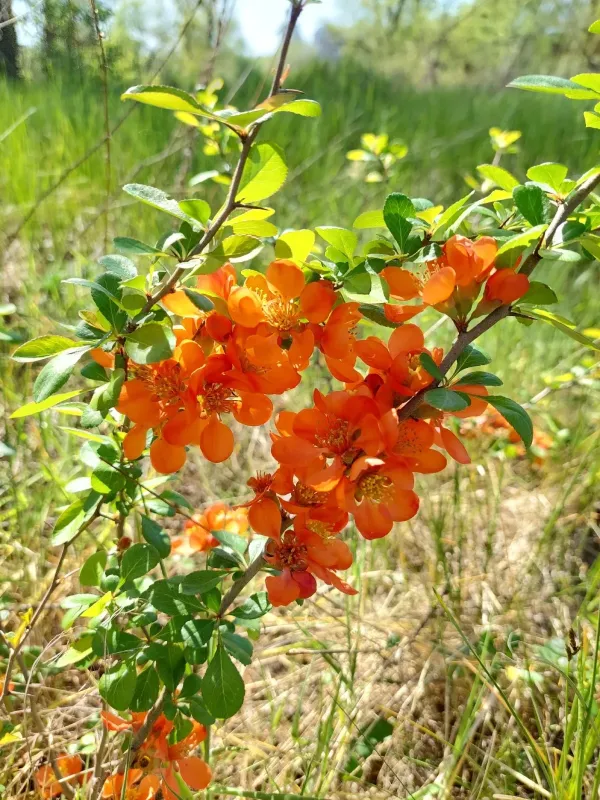
Description
Sowing dates
Seeds of Chaenomeles japonica require cold stratification to break dormancy. Sowing should be carried out in autumn or early spring after keeping seeds in a moist, cool environment (approx 3°C) for several weeks to simulate natural winter conditions for germination.
Growing requirements
Japanese quince (Chaenomeles japonica) is a deciduous shrub belonging to the Rosaceae family. Native to Japan, this species is widely appreciated for its bright flowers and highly acidic, aromatic, apple-shaped fruits that serve as a valuable source of vitamin C and antioxidants.
The plant thrives in locations with full sun exposure, which is critical for flower bud development and fruit ripening. Providing at least 6-8 hours of direct sunlight is recommended to maintain the health and vigor of the shrubs throughout the growing season.
When selecting a site for cultivation, focus on well-drained, slightly acidic to neutral loamy soils. Japanese quince does not tolerate waterlogged conditions, so ensuring proper soil drainage is essential to prevent root diseases and ensure consistent vegetative growth.
It is a hardy plant capable of surviving diverse climatic conditions. While it is tolerant of temporary dry spells, consistent irrigation during the fruit set period is advised to ensure large, high-quality yields for commercial processing or culinary uses.
In terms of agricultural design, Japanese quince is often utilized in windbreaks, hedge rows, or dedicated orchards. Its ability to tolerate pruning makes it a versatile species for both mechanical maintenance and artisanal fruit production, ensuring long-term profitability.
Yield
Well-established orchards typically begin producing commercial quantities of fruit within the fourth year of planting. A mature, healthy bush can yield significant volumes of fruit, with production peaking between 6 and 15 years of age depending on the specific cultivar and site fertility.
Main diseases and pests
Common threats include fungal pathogens such as fire blight and powdery mildew, which can affect foliage and fruit quality. Integrated pest management, including regular pruning for airflow and the application of fungicides, is standard practice to maintain plantation health.
Harvesting
Harvesting usually occurs in late autumn, typically from late September to October. Fruits are picked when they turn golden-yellow and develop their distinct fragrance, and they must be handled carefully to avoid bruising during the collection and post-harvest storage phase.