
Flowering quince
Chaenomeles x superba (Frahm) Rehder
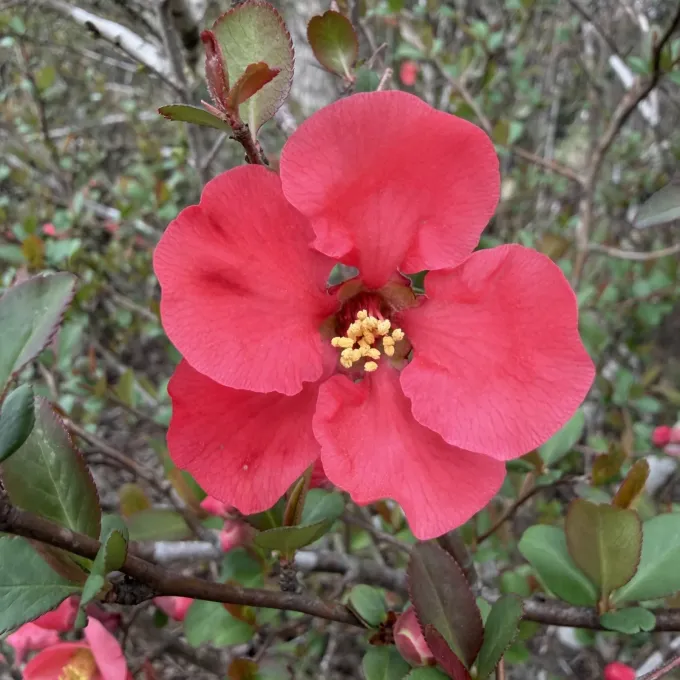
Description
Sowing dates
Chaenomeles x superba, commonly known as flowering quince, is an interspecific hybrid resulting from the crossing of C. speciosa and C. japonica. Propagation is typically achieved through vegetative methods, such as softwood cuttings or layering, as seed-grown plants often show significant variation.
The best time for planting container-grown shrubs is during the early spring or autumn. When planting, ensure the site has well-drained, fertile soil to prevent root rot, as this species is particularly sensitive to waterlogged conditions during the winter months.
If choosing to grow from seed, stratification is a mandatory process. Seeds require 2–3 months of cold storage at temperatures between 3–5 degrees Celsius to break dormancy before being sown in a light, sterile seed-starting mix.
Softwood cuttings are best taken in June. These should be placed in a high-humidity environment or a cold frame to encourage root development. Using rooting hormone can significantly increase the percentage of successful propagations during the growing season.
Layering involves pinning low-growing branches to the soil surface. This method is highly effective for home gardeners who wish to propagate their existing shrubs without the need for specialized greenhouse equipment or complex care routines.
Growing requirements
Flowering quince is a member of the Rosaceae family and thrives in full sun. While it can tolerate partial shade, maximum sunlight exposure is crucial for both prolific spring flowering and the healthy development of fruit during the summer months.
The plant prefers slightly acidic to neutral soil. In regions with heavy clay content, incorporating organic matter such as compost or peat moss is highly recommended to improve soil drainage and provide essential nutrients for long-term growth.
Chaenomeles x superba is remarkably hardy, capable of surviving harsh winters once established. However, during the first few years, applying a layer of mulch around the base of the plant helps protect the root system from freezing and keeps soil moisture consistent.
Regular maintenance pruning is necessary to keep the shrub in good health. This should be performed in late winter or early spring before the buds break. Removing deadwood and thinning out crowded branches improves air circulation, which is vital for preventing disease.
Fertilization should be applied in early spring as growth begins. A balanced, slow-release fertilizer is ideal, though supplementary organic compost can be added annually to support the overall vigor of the plant and ensure high fruit quality.
Yield
The fruit of the flowering quince is often referred to as the "northern lemon" due to its high acidity and strong, pleasant aroma. While primarily grown for its ornamental value, the fruit is highly prized for culinary applications.
A well-maintained, mature shrub can yield between 2 to 5 kilograms of fruit depending on the specific cultivar. The harvest period typically occurs in late autumn when the fruit turns a vibrant yellow and releases a characteristic fragrance.
The fruit is an excellent source of Vitamin C and pectin, making it a favorite ingredient for homemade jams, jellies, and marmalades. Because of its tartness, it is rarely eaten raw but excels when processed with sugar or honey.
In addition to its culinary use, the plant's stunning floral display attracts early-season pollinators, which are essential for garden biodiversity. This dual-purpose nature makes it an excellent choice for both functional orchards and aesthetic landscapes.
Cultivars vary in thorniness and fruit size. For commercial or large-scale harvest, breeders have developed thornless varieties that make the gathering process much safer and more efficient for the grower.
Main diseases and pests
Aphids are the most frequent pests to attack Chaenomeles x superba, particularly on young, tender shoots. Infestations can be managed using neem oil or insecticidal soaps, which are effective and environmentally friendly solutions for garden shrubs.
Fungal diseases, such as powdery mildew, may occur if the plant is situated in a location with poor air circulation or excessive moisture. Keeping the shrub pruned and clean of fallen leaves significantly reduces the risk of fungal spores taking hold.
Scale insects can occasionally affect the branches, leading to weakened growth. Regular visual inspection during the dormant season allows for the early detection and removal of affected limbs, which is often sufficient to stop the spread of the infestation.
The plants are generally resistant to most major diseases, but neglect can lead to susceptibility. Ensuring the shrub is not over-crowded by neighboring plants is the most effective preventative measure against most common garden pathogens.
Winter damage to the bark can create entry points for secondary infections. Applying a protective coating or simply ensuring the plant is well-watered before the ground freezes helps it recover from environmental stress more effectively.
Harvesting
Harvesting usually takes place in September or October, once the fruits have achieved their full size and golden-yellow coloration. It is best to harvest on a dry day to prevent moisture buildup in storage containers, which can lead to rapid rot.
Because many flowering quince varieties possess sharp thorns, wearing thick gardening gloves is necessary during the harvest process. Use small shears to snip the fruit stems rather than pulling them by hand to avoid damaging the shrub's branches.
Once harvested, the fruits should be spread out in a single layer in a cool, dark, and well-ventilated area for a few days to cure. This curing process firms the skin and helps the fruit last longer in storage.
Store the fruit in a cold environment, ideally between 0 and 5 degrees Celsius. In these conditions, the fruits can maintain their aroma and nutritional profile for several months, allowing for phased processing throughout the winter.
If immediate processing is preferred, the fruit can be blanched, peeled, and frozen for future use in sauces or baked goods. Its high pectin content makes it an excellent natural thickening agent for various culinary preserves.