
Frangula crenata
Frangula crenata
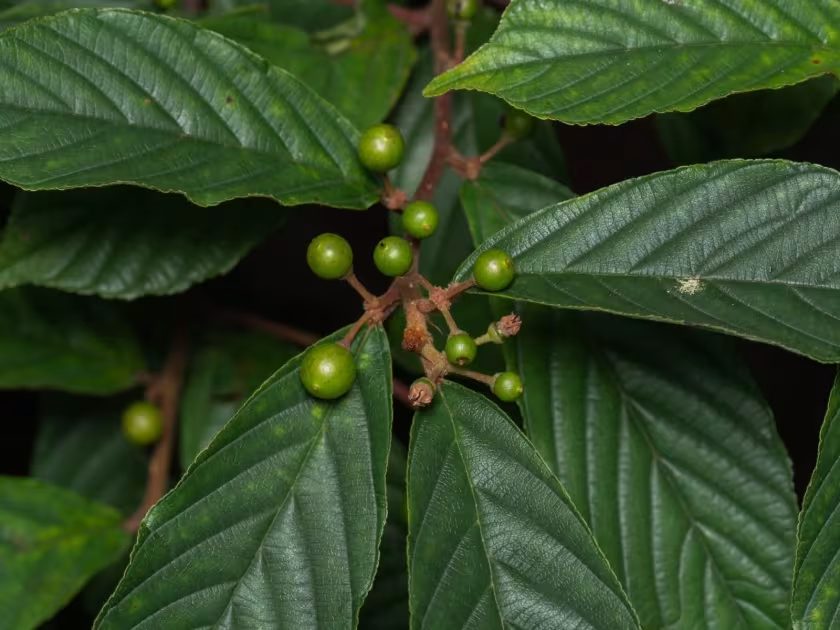
Description
Growing requirements
Frangula crenata, commonly known as a type of buckthorn, belongs to the Rhamnaceae family. This shrub is native to East Asia, primarily inhabiting the forest edges and woodland areas of Japan, China, and Korea.
The plant thrives in fertile, well-drained soils with a slightly acidic to neutral profile. It requires consistent soil moisture levels to maintain its lush foliage, making organic mulch a standard practice for preserving hydration during summer months.
In terms of light, Frangula crenata prefers semi-shaded environments, although it can tolerate moderate exposure to direct sunlight if the soil moisture is kept stable. It is recognized for its ornamental value due to its distinct crenate leaf margins and glossy surface.
Agricultural management involves annual pruning to shape the structure of the shrub and improve air circulation within the canopy. Regular fertilization with balanced nutrients during the spring growth phase supports healthy development and resilient foliage.
The plant is utilized primarily in botanical gardens and landscape design to create layered naturalistic displays. Its hardiness allows it to adapt to various environmental conditions, provided the minimum temperature requirements are met.
Main diseases and pests
While generally robust, Frangula crenata may be susceptible to fungal diseases such as powdery mildew when grown in stagnant, high-humidity environments. Improving drainage and ensuring adequate spacing are the best preventive strategies.
Pest pressures primarily include aphids and leaf-rolling caterpillars, which tend to target new, tender growth. Integrated pest management, including the use of neem oil or soft soaps, is recommended for maintaining plant health without chemical reliance.