
Carolina buckthorn
Frangula caroliniana
Description
Growing requirements
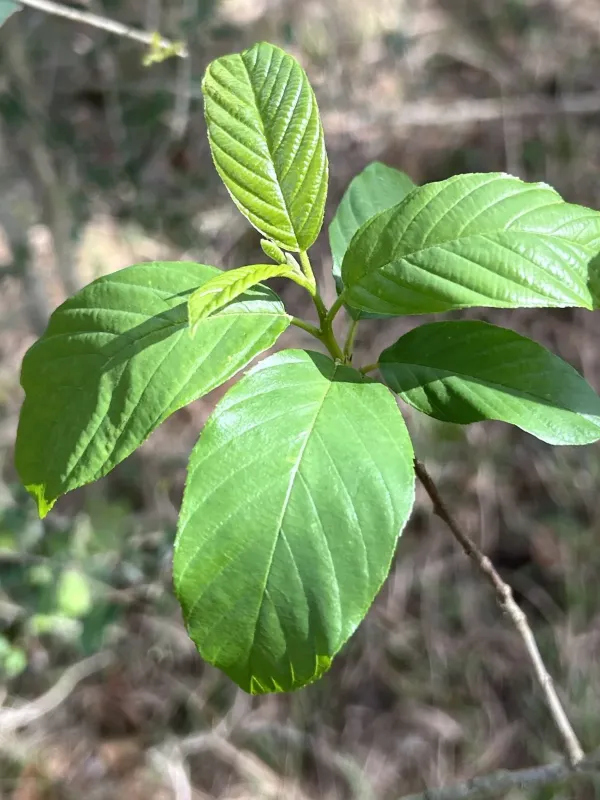
Carolina buckthorn (Frangula caroliniana) is a deciduous shrub or small tree belonging to the Rhamnaceae family, known for its elegant habit and wildlife-friendly characteristics.
Native to the central and southeastern United States, this plant is naturally found in wooded areas, forest edges, and rocky slopes. It has gained popularity in landscaping due to its resilience and adaptability to various environmental conditions.
The plant thrives in well-drained, fertile soils but displays significant tolerance for different soil types, including those with varying pH levels. It performs best in partial to full sun, which enhances fruit production and autumn foliage coloration.
Agronomic management requires consistent moisture during the establishment phase. Once mature, Carolina buckthorn exhibits moderate drought resistance, making it an excellent candidate for low-maintenance garden projects.
Landscape applications include naturalistic plantings, border screens, and habitat restoration. The dark, berry-like fruits serve as a valuable food source for birds, adding to its ecological value.
Main diseases and pests
This species is generally robust and free from serious long-term pest problems, contributing to its reputation as an easy-to-grow woody ornamental.
Potential threats include minor infestations of leaf-eating insects, such as caterpillars, which may cause aesthetic damage but rarely impact the overall health of the tree.
Fungal issues, such as leaf spots, might occur in overly crowded or poorly ventilated conditions, highlighting the need for proper spacing during planting.
Maintaining plant vigor through balanced nutrition and avoiding root-zone compaction are primary strategies for preventing most common horticultural ailments.
Early intervention through manual removal of affected branches or targeted organic treatments is usually sufficient to manage any emerging pest or disease concerns.