
Japanese buckthorn
Rhamnus japonica
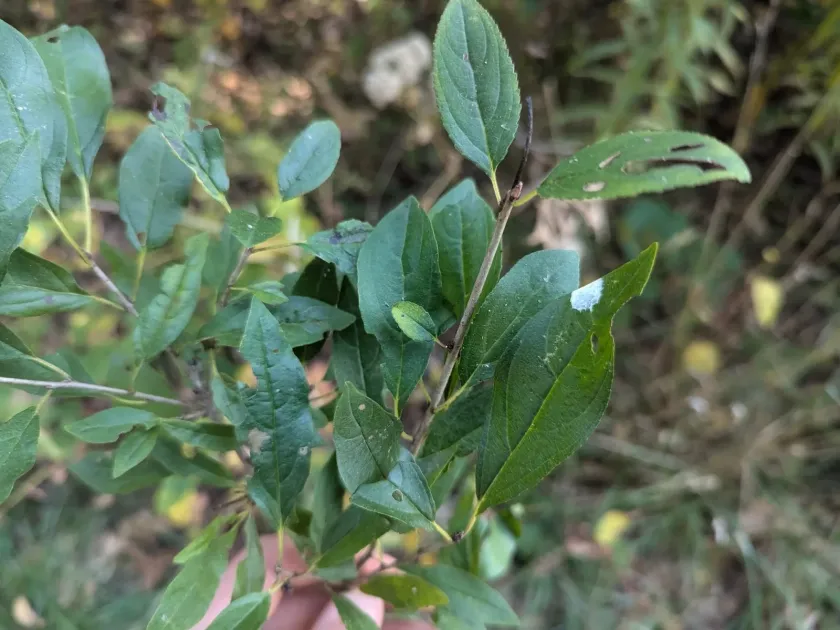
Description
Sowing dates
Seeds of Rhamnus japonica require a period of cold stratification to break dormancy, which typically lasts from three to four months in a cool environment.
Sowing in autumn is generally recommended, as the seeds benefit from the natural wintering process in the soil, leading to better germination rates in spring.
If sowing in the spring, it is essential to keep the seeds in a moist substrate at low positive temperatures before planting them in their permanent location.
Seeds should be covered with a light layer of soil, approximately one to two centimeters deep, and kept consistently moist until the seedlings emerge.
Providing light shade for young plants in their first year is crucial for protecting them from intense direct sun and excessive soil dehydration.
Growing requirements
The Japanese buckthorn belongs to the Rhamnaceae family and is a deciduous shrub characterized by its robust growth and graceful appearance in landscape design.
This species thrives in fertile, well-draining soils and performs best in locations that receive full sun, although it tolerates partial shade conditions.
It prefers a neutral or slightly acidic soil pH and is sensitive to heavy, waterlogged soils, which can lead to root system decay and poor plant vigor.
Regular watering is necessary, especially during the establishment phase and throughout dry summer spells to ensure optimal growth and foliage health.
While relatively hardy, the plant benefits from protection against harsh winter winds to prevent dieback of young twigs in colder climate zones.
Main diseases and pests
Aphids are the most common pests, frequently colonizing young shoots and leaves, which can stunt plant growth if not managed promptly.
Powdery mildew may develop in environments with poor air circulation or high humidity, manifesting as a white, powdery film on the leaf surfaces.
Leaf spot diseases are occasionally observed; therefore, maintaining good garden hygiene by removing fallen leaves is an effective preventative measure.
Small mammals, particularly rodents, can cause damage by chewing on the bark during winter, necessitating the use of guards for young shrubs.
Integrated pest management, including regular inspection and the use of appropriate horticultural sprays, helps maintain the health of the shrub.
Harvesting
The primary use of Japanese buckthorn is ornamental landscaping, where it is valued for its structured habit and utility in creating hedges or screens.
The plant responds well to pruning, allowing for various aesthetic shapes that enhance its role as a focal point in traditional and modern garden styles.
Historically, the bark of buckthorn species has been harvested for medicinal purposes, though this requires careful ecological consideration and sustainable practice.
Collected bark must be dried thoroughly in well-ventilated areas at moderate temperatures to ensure quality and prevent the growth of harmful molds.
Properly dried and stored in a dry, dark place, the harvested material maintains its integrity and utility for various secondary applications over time.