
California buckthorn
Frangula californica
Description
Growing requirements
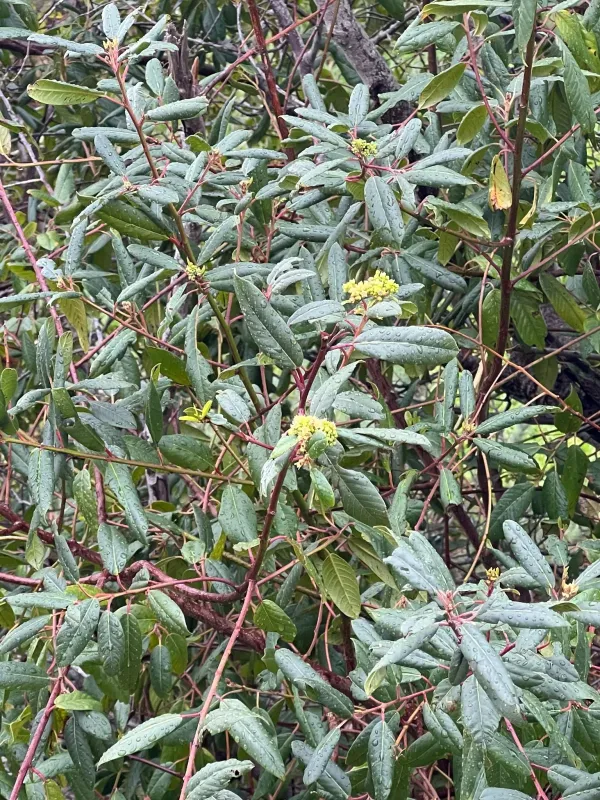
California buckthorn (Frangula californica) is a versatile evergreen shrub belonging to the Rhamnaceae family. Originating from western North America, it is widely recognized for its adaptability and robust nature in various environmental conditions.
The plant thrives in well-drained soils ranging from sandy loams to heavier clays, provided there is no standing water. It demonstrates significant drought tolerance once established, making it an excellent choice for sustainable landscaping and xeriscaping.
Regarding climatic requirements, this species favors Mediterranean-like climates with mild, wet winters and dry summers. It can handle full sun exposure in cooler regions, while in hotter inland areas, partial shade is recommended to protect the foliage from scorching.
Agrotechnical practices involve minimal intervention. Occasional pruning is beneficial for maintaining the desired shape and promoting a dense habit, especially when the plant is used as a hedge or a screening element in residential gardens.
In terms of economic and landscape value, it serves as a critical habitat plant for local wildlife, providing nectar for pollinators and berries for birds. Its extensive root system also makes it highly effective for erosion control on steep hillsides.
Main diseases and pests
The primary threats involve pathogenic fungi such as Phytophthora, which typically attack roots in waterlogged conditions. Ensuring excellent soil drainage is the most effective way to prevent these debilitating infections.
Pests that occasionally affect this shrub include scale insects and aphids. In instances of heavy infestation, integrated pest management strategies, such as horticultural oils or natural predators, are employed to restore the plant's health.