
Cascara buckthorn
Frangula purshiana
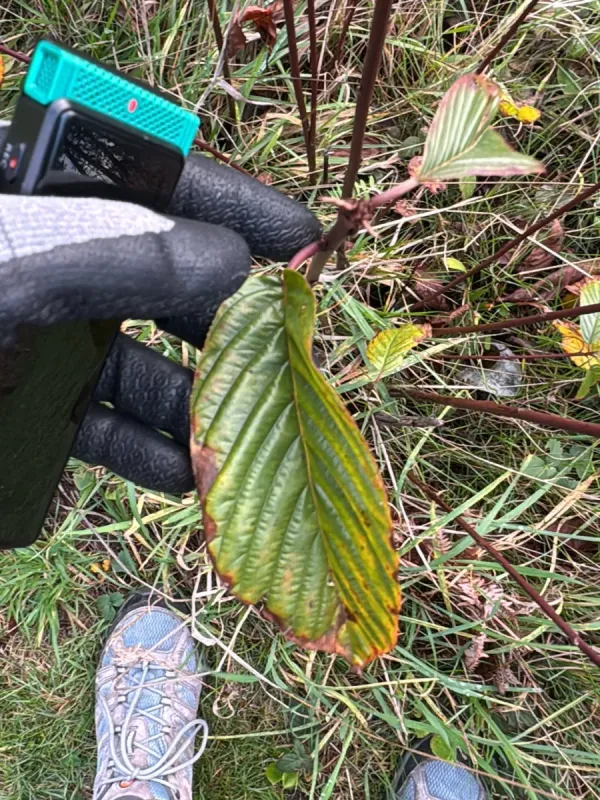
Description
Sowing dates
Cascara buckthorn is typically propagated from seeds. The seeds possess a deep dormancy that requires cold stratification for at least 60 to 90 days before they can successfully germinate in nursery beds.
Sowing should take place in well-prepared seedbeds during late autumn or early spring. Seeds are planted at a depth of approximately 1.5 to 2 centimeters to ensure protection while allowing for easy emergence.
Young seedlings are kept in the nursery for one to two years until they reach a suitable size for transplanting. Careful handling of the root system is essential to ensure high survival rates when moving plants to the field.
Field planting is best performed in early spring. Spacing should be determined by the intended harvest cycle; wider spacing allows for better growth, whereas tighter spacing may be used in intensive cultivation systems.
Although vegetative propagation through cuttings is possible, seed-based propagation is preferred in reforestation and large-scale cultivation to maintain genetic diversity within the plantation.
Growing requirements
The Cascara buckthorn belongs to the Rhamnaceae family. It thrives in temperate climates with high moisture levels and prefers deep, well-drained soils that are rich in organic matter.
The plant is highly adaptable to light conditions, showing strong growth in both full sun and partial shade. However, it requires consistent soil moisture to support the active growth of the bark, which is the primary economic component.
Regarding soil characteristics, the tree performs best in slightly acidic to neutral soils. It avoids waterlogged areas, as stagnant water can lead to root diseases and stunted overall development.
Climatic requirements involve protection from extreme heat and drying winds. In regions with periodic droughts, an irrigation system is crucial to maintain growth rates during the summer months.
Soil management includes the application of mulch to conserve moisture and suppress competing weeds, which are particularly problematic during the first few years of plant establishment.
Yield
Yield estimation for Cascara buckthorn focuses on the weight of the harvested bark. Mature trees become ready for the first harvest at an age of 10 to 15 years, depending on the site conditions.
The harvesting process involves sustainable thinning or coppicing. Coppicing is a popular technique that allows the tree to regenerate from the stump, ensuring a continuous supply of bark over several decades.
A well-managed plantation can provide consistent yields if the harvesting intervals are planned correctly. Experts recommend a rotation system to ensure that different sectors of the plantation are harvested in different years.
Bark quality is heavily influenced by the age of the tree and the time of harvest. Older bark generally provides a higher content of active pharmacological compounds, which are valuable for the pharmaceutical industry.
The total yield per hectare is influenced by planting density and site fertility. Intensive management practices, including balanced fertilization, can significantly increase the total biomass of the bark produced.
Main diseases and pests
While relatively hardy, Cascara buckthorn can be affected by various pests, including aphids that attack the succulent growth of young branches and leaves, potentially reducing the overall tree vigor.
Fungal diseases are the primary threat, especially in areas with high humidity. Leaf spot and root rot are common if the plantation density is too high, leading to poor air circulation and excessive moisture levels.
Integrated Pest Management (IPM) is essential. Regular pruning to remove dead or diseased branches helps maintain tree health and prevents the spread of pathogens throughout the orchard.
Environmental stressors like extreme frosts during the late spring growth spurt can damage the bark and reduce its overall quality, making site selection a critical factor for plantation success.
Monitoring for signs of infestation is required throughout the growing season. Early detection of diseases allows for corrective measures before they impact the medicinal value of the bark.
Harvesting
Harvesting is restricted to the spring season during the peak sap flow. During this time, the bark separates easily from the xylem, which allows for clean extraction without damaging the underlying woody tissue.
Workers use specially designed tools to make vertical incisions along the trunk and branches. The bark is carefully peeled off in large sheets, ensuring that the cambium layer remains intact for future regeneration.
Immediately after harvest, the bark must be dried in a sheltered, well-ventilated location. Proper drying prevents the growth of mold and ensures the stability of the active pharmacological agents.
The harvested bark must undergo a maturation process of at least 12 months before it can be used commercially. This storage period is necessary to oxidize certain compounds that would otherwise cause undesirable side effects.
Final processing involves shredding the dried bark into a standard size according to industrial specifications, followed by packaging in moisture-proof containers to maintain its shelf life and potency.