
Sierra coffeeberry
Frangula rubra
Description
Growing requirements
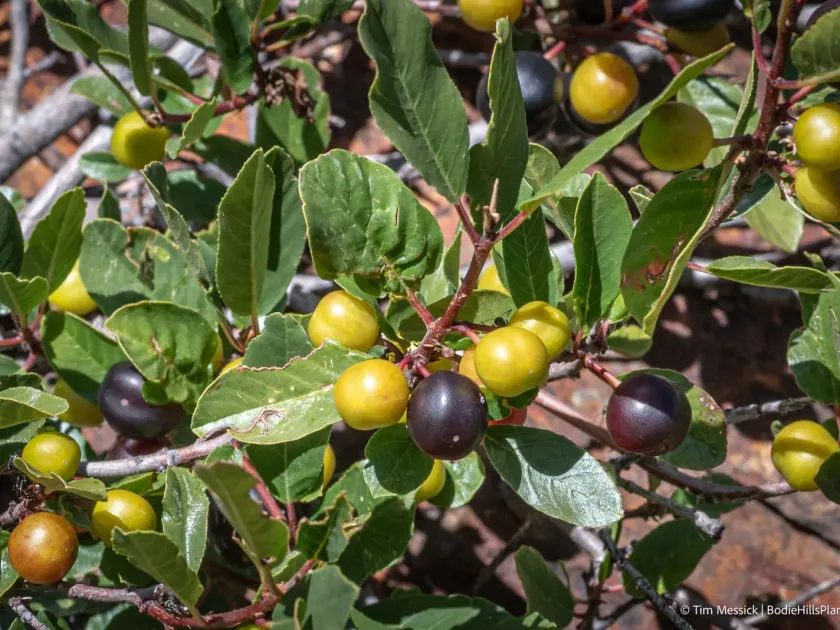
Sierra coffeeberry (Frangula rubra) is a deciduous shrub belonging to the Rhamnaceae family. Native to the mountainous regions of California and the Western United States, it thrives in rocky, well-draining soils and is well-adapted to Mediterranean climates.
This shrub requires specific soil conditions to flourish, primarily preferring sites with excellent drainage. It is generally tolerant of various soil textures but performs best in slightly acidic to neutral soil environments that do not retain excess moisture for long periods.
Climatic requirements involve a preference for sunny exposures, although it can tolerate partial shade in hotter climates. It exhibits moderate drought tolerance once established, but regular irrigation during the first few growing seasons is essential for root development.
Agronomic management practices include light pruning to maintain structural integrity and a rounded canopy. Mulching around the base helps regulate soil temperature and moisture levels, mimicking the natural conditions of the shrub's native woodland habitat.
In terms of хозяйственное use, it is primarily employed in native plant landscaping and xeriscaping projects. Its ability to provide food for local wildlife, such as birds attracted to its berries, makes it a popular choice for ecological restoration gardens.
Main diseases and pests
The primary threats to Frangula rubra include fungal pathogens that flourish in stagnant, humid environments. Leaf spots are the most common issue, often caused by poor air circulation around the canopy of the plant.
Insect pests such as aphids and scale insects may occasionally infest the foliage, particularly on new growth. Implementing integrated pest management (IPM) strategies, including encouraging natural predators like ladybugs, can effectively keep populations under control.
Root rot represents a significant danger, typically occurring when plants are situated in heavy, poorly drained clay soils. Ensuring proper soil preparation prior to planting is the most effective way to prevent this lethal condition.
Small mammals and rodents may cause mechanical damage to the bark during the dormant winter season. Protective measures, such as installing physical barriers or cages, are recommended for young specimens in areas with high pest activity.
Regular monitoring for signs of stress, such as yellowing leaves or premature wilting, is vital. Quick identification allows for targeted interventions, preserving the overall health and longevity of the coffeeberry shrubs in the agricultural landscape.