
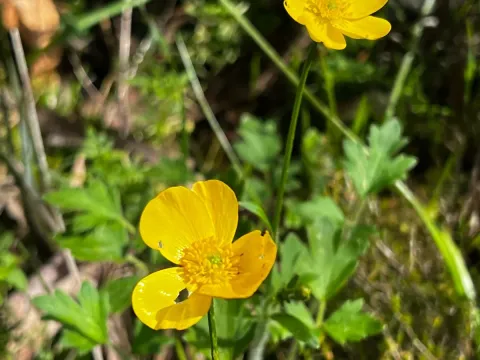
Australian buttercup
Ranunculus lappaceus
The Australian buttercup (Ranunculus lappaceus) is a perennial herbaceous plant belonging to the Ranunculaceae family. It is a native species to the Australian continent, typically found in diverse environments ranging from sub-alpine grasslands to temperate woodland understories.
What the section contains
Australian buttercup
Botanically, this species is distinguished by its basal rosette of leaves and slender, branching stems that bear bright yellow, five-petaled flowers. The plant exhibits high phenotypic plasticity, allowing it to adapt its growth form based on soil nutrition and light availability within its native range.
Regarding site requirements, Ranunculus lappaceus thrives in well-drained, fertile soils that receive moderate precipitation. It is particularly well-suited to cool-to-temperate climates and does not perform well in waterlogged or extremely saline conditions, which can inhibit its development.
Agricultural management of this species involves careful monitoring of grazing pressures. Because the plant is a native component of biodiversity-rich pastures, land managers often implement rotational grazing to prevent overgrazing, ensuring the plant has periods to complete its reproductive cycle.
The economic utility of the plant is primarily ecological rather than strictly agricultural, as fresh tissue contains protoanemonin, a toxin that can cause irritation to grazing livestock. Despite this, it remains a valuable member of the native flora for soil stabilization and landscape restoration projects.
Major threats to Ranunculus lappaceus populations often include fungal pathogens such as powdery mildew, especially in regions with high humidity or poor canopy ventilation. Root rot can also be a significant issue in poorly drained agricultural zones.
Insect pests like aphids and various leaf-chewing beetle larvae may cause damage during the active growing season. Integrated pest management strategies, emphasizing the natural balance of the ecosystem, are generally preferred over intensive chemical control for this native species.