
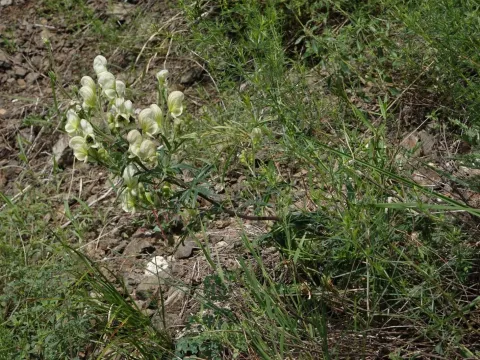
Aconitum anthora
Aconitum anthora
Seeds of Aconitum anthora should be sown during the late autumn to ensure they undergo the necessary cold stratification period naturally outdoors, which is essential for uniform germination.
What the section contains
Aconitum anthora
When planning spring sowing, seeds must be stratified in a refrigerator at temperatures between +2 and +5 degrees Celsius for at least two to three months to break dormancy.
Commercial producers often prefer vegetative propagation by division of established rootstocks, which is more reliable than seed propagation and helps maintain the purity of the variety.
Division is best performed in early spring or late autumn when the plant is dormant; each section must have several healthy buds to ensure successful establishment in the field.
When sowing seeds, they should be lightly covered with soil, approximately 0.5 cm deep, as they are sensitive to depth and require a loose, well-aerated medium to sprout effectively.
Aconitum anthora thrives in locations with full sun to partial shade, preferring areas where it is protected from the intense, scorching heat of the midday sun in summer.
The plant requires deep, fertile, well-draining soil that is rich in organic matter, avoiding heavy clays that could cause root rot during periods of high rainfall or irrigation.
Optimal soil pH should be near-neutral; while the species is somewhat adaptable, highly acidic soils may require amendments like agricultural lime for better nutrient availability.
This species is well-adapted to temperate climates, exhibiting excellent cold tolerance during winter months, though it benefits from a consistent snow cover in extreme cold regions.
Consistent moisture is key during the growing season, especially during the peak of flowering, although once established, the plant shows moderate resistance to short dry spells.
Powdery mildew represents the most frequent fungal challenge for Aconitum crops, especially in humid conditions with limited air circulation around the foliage and stems.
Root rot, often caused by poor drainage or overwatering, poses a significant risk to the plant's health and can lead to sudden wilting and death if not addressed immediately.
Aphids and spider mites are common pests that feed on the sap of the plant, potentially spreading viral pathogens and reducing the overall vigor of the cultivation plot.
Nematode infestations can damage the root system, stunting plant growth and making the crop more susceptible to other soil-borne diseases that are difficult to manage chemically.
Effective management includes maintaining proper spacing for air circulation, implementing early detection protocols, and using targeted pesticide treatments when population thresholds are exceeded.
The harvest of roots is performed in the autumn after the foliage has naturally begun to die back, ensuring that the active compounds are concentrated in the underground storage organs.
Aerial parts intended for medicinal use are harvested at the peak of the flowering stage, as this is when the concentration of alkaloids and other secondary metabolites is highest.
Due to the toxic nature of the plant, operators must strictly adhere to safety protocols, including the use of protective gloves, masks, and long sleeves during harvesting and handling.
Post-harvest processing involves immediate cleaning and drying of the material in temperature-controlled, well-ventilated rooms to prevent spoilage and ensure the quality of the raw material.
Proper storage is essential; the dried product must be kept in sealed, moisture-proof containers in a cool, dark environment to preserve its potency and prevent accidental exposure.