
Aconitum chasmanthum
Aconitum chasmanthum
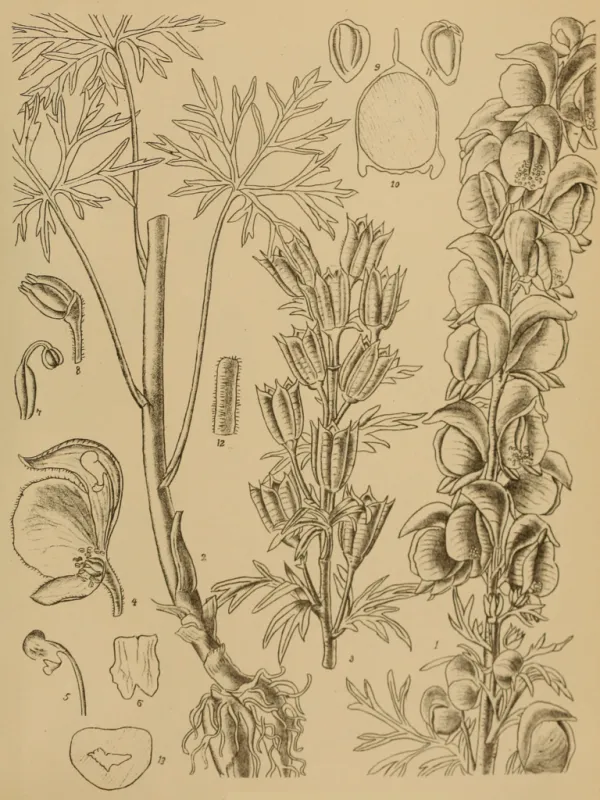
Description
Sowing dates
Aconitum chasmanthum seeds require natural stratification to break dormancy. Sowing in late autumn before the first frost is the most effective method, as it exposes the seeds to the necessary winter cold cycle to ensure optimal germination rates in the following spring.
When forced germination is required, seeds should be sown in trays and stored in a cold environment (refrigerator) at 0–5°C for at least two months. Without this cold treatment, seed viability remains low, and emergence is inconsistent.
Seeds should be sown at a shallow depth of approximately 0.5–1 cm in a sterile, well-draining substrate. It is critical to maintain consistent moisture throughout the germination period without waterlogging the soil.
Seedlings develop slowly during the initial growing season. Once they reach the two-leaf stage, they can be transplanted to a nursery plot or directly into the field, ensuring proper spacing of 30–40 cm to allow for future root development.
Optimal light exposure for Aconitum chasmanthum involves partial shade or filtered sunlight. While it can tolerate more sun in temperate regions, protection from intense mid-summer heat is recommended to prevent leaf scorching.
Growing requirements
Belonging to the Ranunculaceae family, this species thrives in fertile, loamy soils that possess excellent drainage. It is highly sensitive to soil compaction and waterlogging, which can rapidly lead to the rotting of its fleshy, tuberous roots.
Adequate soil moisture is essential during the active growing season. Regular irrigation is necessary in dry climates, but the agronomist must ensure that soil drainage prevents stagnant water around the plant's crown.
As a plant native to high-altitude Himalayan regions, it demonstrates exceptional hardiness. It does not require winter protection, as it is well-adapted to surviving deep frosts in its natural mountain habitat.
Mulching is a standard agronomic practice for this crop, providing temperature regulation for the root zone and suppressing weed growth. Organic mulches such as leaf mold or compost are preferred to enrich the soil structure.
Strict safety protocols must be enforced during all field operations. Aconitum chasmanthum contains potent aconitine alkaloids; therefore, staff must utilize protective gloves and eyewear to prevent skin or mucosal contact with plant sap.
Yield
The economic value of this crop is derived from its tuberous roots, which contain medicinal alkaloids. Yield efficiency is largely determined by the age of the plantation and the consistency of the nutritional program applied during the first three years.
Maximum concentration of active substances is reached by the end of the second or third growing season. Harvesting beyond this age may result in woody, less potent root material that does not meet pharmaceutical quality standards.
The harvesting procedure occurs in autumn when the aerial parts of the plant wither. The tubers are excavated, cleaned of soil, and trimmed to remove lateral roots, ensuring only the primary medicinal part is processed.
Drying is a critical post-harvest step. The material should be processed in ventilated mechanical dryers at temperatures strictly regulated between 40°C and 50°C to preserve the chemical integrity of the alkaloids.
Final yield weight is highly dependent on local climatic conditions and soil fertility. A well-managed plantation, following standardized density and fertilization protocols, can provide a steady supply for the extraction industry.
Main diseases and pests
Powdery mildew is a frequent issue, especially in environments with high humidity and poor air circulation. Integrated pest management, including fungicide application at the onset of symptoms, is necessary to mitigate damage.
Root rot pathogens represent the most significant threat to the survival of the crop. These are often introduced via poorly drained soil or contaminated nursery stock; therefore, site selection and drainage management are paramount.
Aphids and spider mites are common insect pests that can cause significant leaf damage. Their presence weakens the plant's vigor, making it more susceptible to opportunistic fungal infections, and requires prompt intervention.
Nematode infestations can destroy the root system, causing stunted growth and lower alkaloid yields. Soil testing and the use of resistant stock or crop rotation are the primary defenses against these microscopic pests.
Prevention involves strict sanitation of the fields, regular removal of infected plant material, and avoiding excessive nitrogen fertilization, which can lead to rapid, succulent growth susceptible to various pests and diseases.
Harvesting
Harvesting is typically conducted using mechanical lifters that minimize physical damage to the tuberous roots. Timing is essential; waiting for the aerial parts to fully senescence ensures the highest possible content of medicinal components.
After extraction, the roots are immediately moved to a processing facility for washing. Reducing the time between digging and cleaning prevents the buildup of mold and surface contaminants that can affect market grade.
Logistical planning must ensure that fresh roots are not stored in dense piles to avoid internal heating. Proper ventilation is required during transport and storage before the drying phase begins.
Quality assurance includes chemical analysis of batches to verify the concentration of active alkaloids. Packaging must be secure and clearly labeled due to the high toxicity of the plant material being handled.
Success in harvesting operations requires monitoring soil moisture; if the ground is too wet, the roots become difficult to clean and are prone to bruising, which decreases their shelf life and quality.