
Aconitum cammarum
Aconitum cammarum
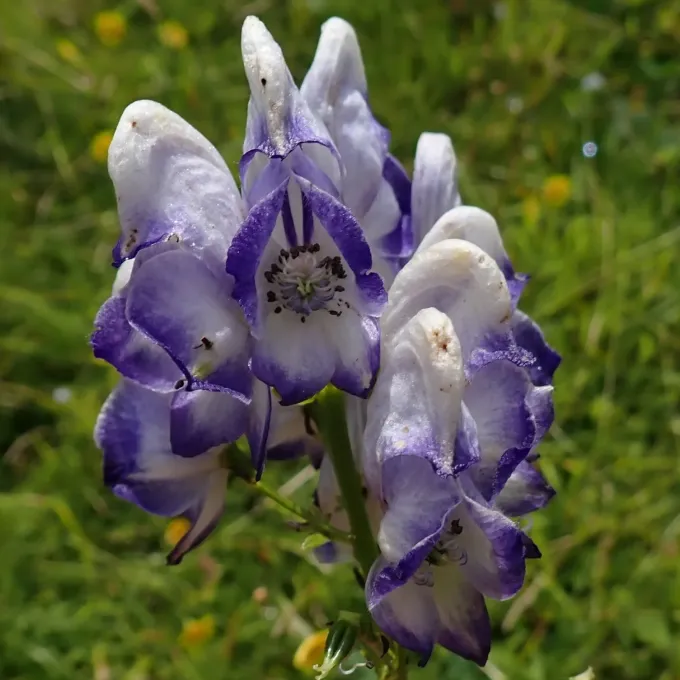
Description
Sowing dates
The sowing of Aconitum cammarum seeds is best performed in late autumn, as the seeds require a period of cold stratification to break dormancy. Seeds should be planted at a shallow depth of approximately 1-2 centimeters.
If sowing in the spring, artificial stratification in a refrigerator for at least two to three months is necessary to ensure germination. Without this process, success rates are significantly lower.
Vegetative propagation via root division is the most reliable method for established gardens. This task should be performed in early spring or autumn when the plant is dormant.
Seedlings develop slowly during their first year and require consistent soil moisture. It is crucial to weed the surrounding area frequently to reduce competition for nutrients.
When transplanting, provide enough space between plants, ideally 30 to 40 centimeters, to allow for proper air circulation and root development.
Growing requirements
Aconitum cammarum thrives in fertile, moist, and well-drained loamy soils. Good drainage is essential, as the roots are susceptible to rotting in waterlogged conditions.
The plant prefers partial shade or dappled sunlight. While it can tolerate full sun in cooler northern climates, it requires extra watering to prevent wilting during summer heat.
This perennial is remarkably winter-hardy and does not require special protection in temperate zones. It adapts well to various garden layouts but performs best in cool, sheltered spots.
Regular applications of organic mulch, such as compost or well-rotted leaf mold, help maintain soil structure and moisture levels throughout the growing season.
Safety is a critical concern, as all parts of the plant are highly toxic. Always wear gloves and wash hands thoroughly after pruning or dividing the roots.
Main diseases and pests
Powdery mildew is the most common fungal disease affecting the foliage, particularly during humid and warm periods of the season.
Root rot represents a severe threat to the plant's longevity, usually caused by compacted soil or excessive moisture accumulation during the spring thaw.
Pests such as aphids and leaf nematodes can damage leaves and flowers, causing yellowing and stunted growth of the plant spikes.
Integrated pest management strategies are recommended, focusing on maintaining plant health and early detection of infestations to minimize chemical use.
Regular sanitation of the garden area by removing dead foliage at the end of the season helps reduce the overwintering of pathogens and harmful pests.