
Aconitum bucovinense
Aconitum bucovinense
Description
Growing requirements
Aconitum bucovinense is a perennial herbaceous plant belonging to the Ranunculaceae family. Native to the Eastern Carpathian regions, it typically thrives in humid environments, forest edges, and nutrient-rich mountainous meadows where it can benefit from natural shelter and soil moisture.
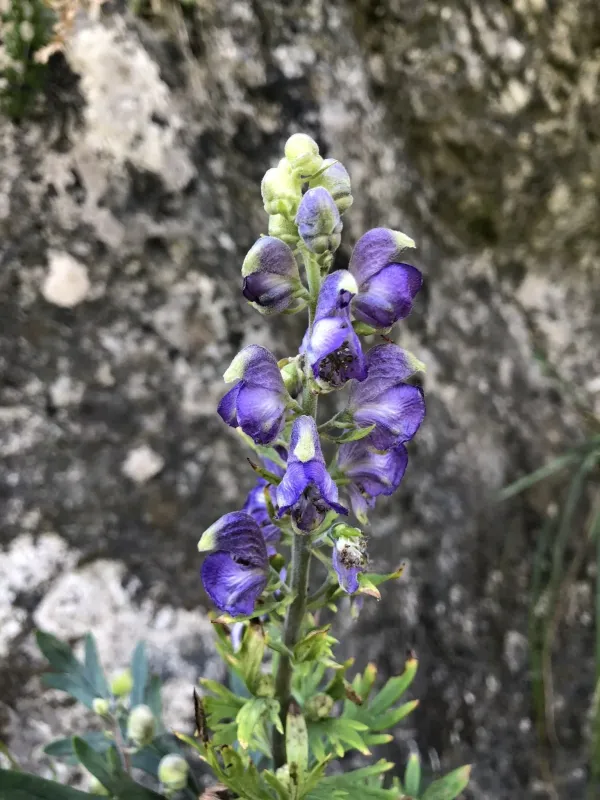
Botanically, the plant is characterized by a strong root system and sturdy stems that can reach heights of over one meter. Its leaves are deeply divided and dark green, while its prominent blue-violet flowers, arranged in dense racemes, make it a distinct species within the genus Aconitum.
The cultivation requirements are primarily focused on soil quality and site selection. This plant prefers rich, loamy soils with excellent drainage, as it is highly susceptible to root rot if water stagnation occurs. Maintaining a neutral to slightly acidic pH balance is crucial for nutrient absorption.
Regarding climate, the plant exhibits a preference for cooler temperatures and high ambient humidity. Direct, intense sunlight can be detrimental to the foliage, which is why shaded or semi-shaded areas are highly recommended for optimal plant health and consistent flowering performance.
In terms of agricultural and pharmaceutical use, Aconitum bucovinense is recognized for its potent alkaloid content. While not a typical field crop for food production, it is studied and cultivated for specific pharmaceutical applications where alkaloids are extracted for medical research and targeted therapeutics.
Main diseases and pests
Common pests that pose a threat to this plant include aphids and spider mites, especially in drier climatic conditions. Regular monitoring and the application of integrated pest management strategies are essential to protect the vegetative biomass and overall plant vigor.
Disease management is centered on preventing fungal infections such as root rot and powdery mildew. These are often triggered by improper moisture management or lack of ventilation. Implementing proper irrigation techniques and ensuring adequate spacing between plants are the primary methods of defense.