
Aconitum burnatii
Aconitum burnatii
Description
Growing requirements
Aconitum burnatii, a member of the Ranunculaceae family, is a perennial herbaceous plant naturally found in European mountainous regions characterized by humid and nutrient-rich soils.
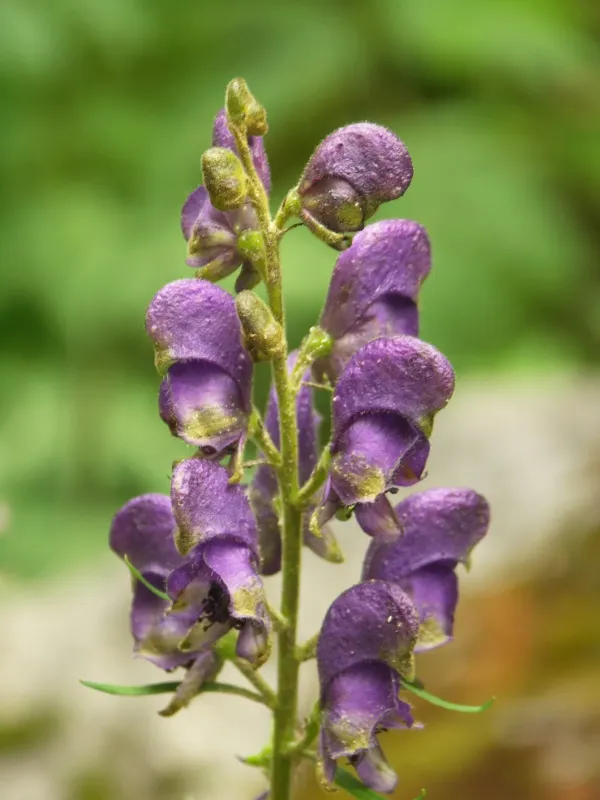
Botanically, the plant is recognized by its robust rhizome system and upright stems that support distinctive helmet-shaped flowers, typical for the Aconitum genus.
The cultivation requirements focus on loamy, humus-rich soils that maintain moisture but offer sufficient drainage to prevent root waterlogging, which the plant cannot tolerate.
Optimal growth conditions involve partial shade environments, as intense midday sunlight can damage foliage and stress the plant, hindering its vegetative development.
This species is noted for its high frost tolerance, making it a reliable perennial in colder temperate zones where other sensitive species might struggle to survive winter.
Main diseases and pests
Major threats to Aconitum burnatii include fungal infections, such as root rots and powdery mildew, which are primarily exacerbated by poor drainage and high humidity levels.
In terms of pests, the plant is susceptible to aphid infestations and various leaf-feeding larvae, which can compromise the structural integrity and health of the crop.
Effective management includes maintaining proper spacing between plants to encourage airflow, which is critical for reducing the microclimate humidity conducive to pathogens.
Given the pharmacological value of the plant, chemical pest control must be applied with extreme caution to avoid the degradation of active chemical compounds within the biomass.
Regular monitoring and the prompt removal of infected leaves or stems are essential agronomic practices to prevent the spread of diseases within the planting rows.