
Phymatosorus
Phymatosorus
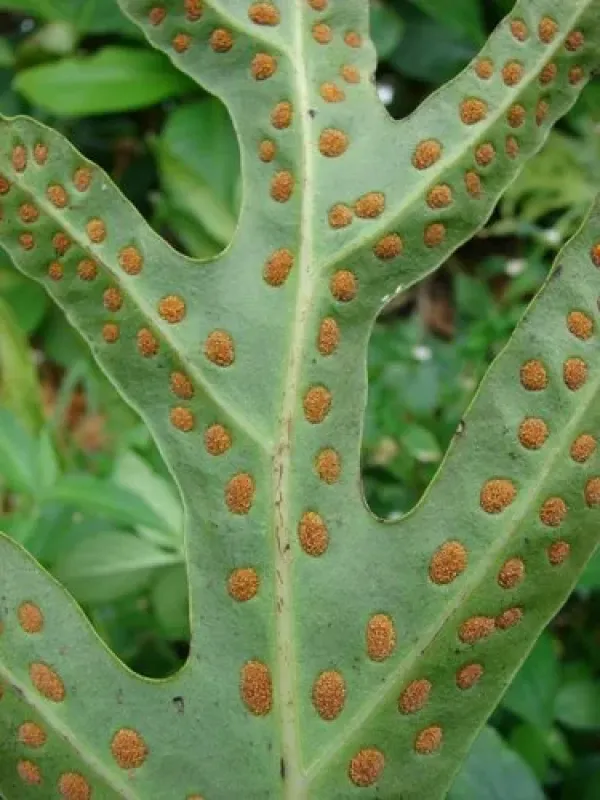
Description
Growing requirements
Phymatosorus is a genus of ferns belonging to the Polypodiaceae family. These plants are widely recognized for their creeping rhizomes and are native to tropical regions of Asia, Africa, and Australia.
In terms of light, they require bright, indirect sun exposure. While they can tolerate lower light levels, their growth rate may slow down significantly in deep shade conditions.
They thrive in high humidity environments, making them suitable for bathrooms or terrariums. Regular misting of the fronds is highly recommended to mimic their native tropical habitat.
The potting medium must be well-draining, such as an orchid mix or a peat-based substrate mixed with perlite. They are often grown on mounts like tree fern plaques or cork slabs.
Temperature management is critical; they prefer consistent warmth between 18°C and 25°C. Avoid placing the pots near cold drafts or direct sources of intense heat like radiators.
Main diseases and pests
Scale insects are a common problem for Phymatosorus. They appear as small, hard, brown bumps on the stems or undersides of the fronds and should be removed manually or treated.
Spider mites are another frequent pest that flourishes in dry air. Their presence is indicated by fine webbing and a mottled appearance of the foliage, requiring increased humidity to manage.
Root rot is the most significant disease risk, typically caused by waterlogged soil. Proper drainage is the best defense against fungal pathogens targeting the root system.
Fungal leaf spots can occur if water remains on the fronds for too long in poorly ventilated conditions, which facilitates the growth of bacteria and fungi.
Maintaining a clean growing area and ensuring sufficient airflow around the plant significantly reduces the likelihood of pest outbreaks and systemic disease issues.