
Phymatosorus scolopendria
Phymatosorus scolopendria
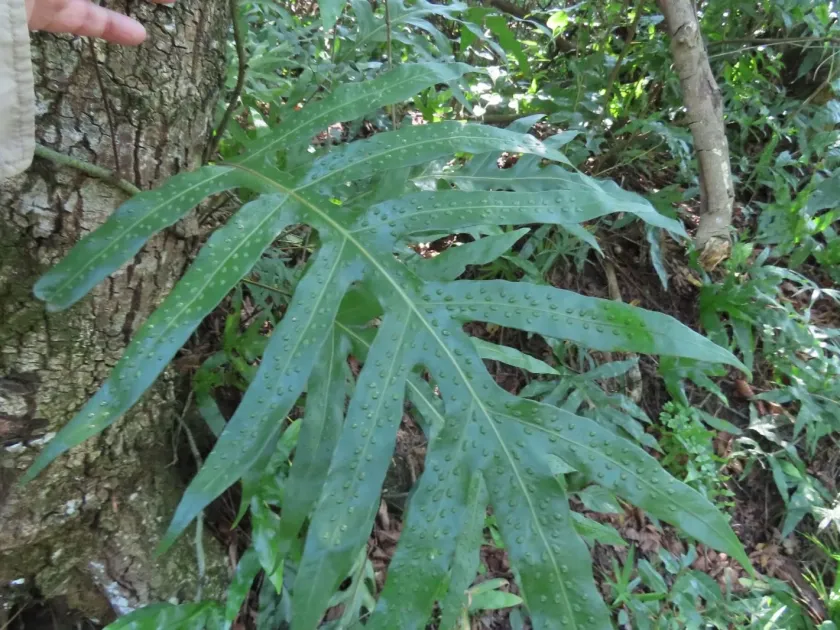
Description
Growing requirements
Phymatosorus scolopendria is a perennial epiphytic fern belonging to the Polypodiaceae family. Native to the tropical regions of Africa, Asia, Australia, and the Pacific Islands, this plant is well-adapted to humid forest environments and creates a distinct tropical aesthetic in cultivation.
The plant features creeping, scaly rhizomes that extend horizontally, producing leathery, pinnatifid fronds. These fronds provide a unique texture, making the species highly sought after by collectors of exotic ferns and tropical indoor flora.
Successful cultivation requires a warm environment with temperatures consistently between 20°C and 25°C. Exposure to cold drafts or temperatures below 15°C can cause significant leaf damage and physiological stress, eventually halting the growth cycle of the plant.
The substrate must be highly porous and well-drained, resembling an epiphytic growing medium. A mix comprising coarse pine bark, perlite, and sphagnum moss is recommended to facilitate optimal airflow around the rhizomes while maintaining necessary moisture levels.
Maintenance involves frequent misting and consistent watering without allowing the root zone to become waterlogged. High ambient humidity is critical for the development of healthy fronds, and the water used should be low in mineral content to prevent salt accumulation on the leaves.
Main diseases and pests
Common pests affecting Phymatosorus scolopendria include spider mites and mealybugs, which tend to congregate in the protected areas near the base of the fronds. Regular inspection and wiping the foliage with mild soap solutions can help keep pest populations in check.
Pathological issues typically involve fungal infections of the rhizomes caused by stagnant moisture or compacted soil. Maintaining a sterile growing environment and ensuring proper drainage are the most effective strategies for preventing crown and root rot in this species.