
Phymatosorus membranifolius
Phymatosorus membranifolius
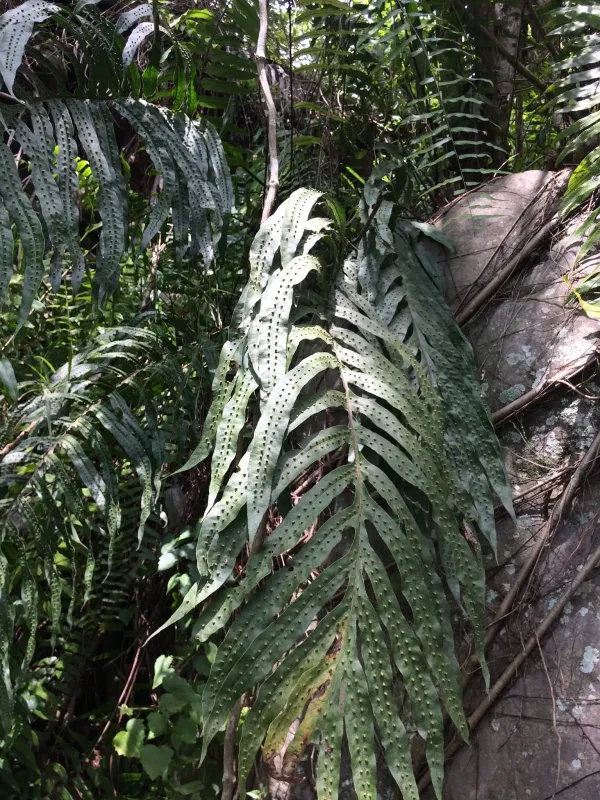
Description
Growing requirements
Phymatosorus membranifolius is a captivating species belonging to the Polypodiaceae family. This tropical fern is native to the humid forests of Southeast Asia, where it typically grows as an epiphyte on tree trunks or rocks.
The plant thrives in environments with high ambient humidity and filtered light. Direct sunlight must be avoided at all costs, as the delicate fronds are prone to scorching and rapid dehydration in harsh lighting conditions.
Proper soil management is critical for the health of this species. The root system requires a very loose, well-draining medium, such as a mix of orchid bark, perlite, and sphagnum moss, which mimics its natural epiphytic habitat.
Temperature requirements for successful cultivation range from 18 to 25 degrees Celsius. It is crucial to maintain a stable environment, as extreme fluctuations in temperature or cold drafts can cause the foliage to wither prematurely.
Watering should be consistent using soft, room-temperature water. The goal is to keep the growing medium damp but never waterlogged. Regular misting of the fronds is recommended to supplement the plant's atmospheric moisture needs.
Main diseases and pests
Pests such as spider mites are the most common issue for this fern, especially in indoor settings with low humidity. These microscopic pests thrive in dry air and can quickly infest the underside of the fronds.
Scale insects can also attach themselves to the stems and leaves, extracting nutrients and weakening the plant's structural integrity. Manual removal or appropriate biological treatments are necessary to control these infestations.
Overwatering is a significant threat that leads to rhizome rot, a lethal condition for most epiphytic ferns. Once the rhizome begins to decay due to anaerobic conditions, recovery is usually not possible.
Fungal infections may appear if ventilation is poor and moisture levels are excessively high. Such conditions favor the growth of molds that can settle on the surface of the fronds, disrupting the plant's ability to photosynthesize.
Nutrient deficiency is another factor that can manifest as chlorosis or stunted growth. Using a balanced, diluted liquid fertilizer during the active growing season helps maintain the plant's vigor and resistance to pathogens.