
Phlebodium areolatum
Phlebodium areolatum
Description
Growing requirements
Phlebodium areolatum is an epiphytic fern belonging to the Polypodiaceae family. Native to tropical regions of the Americas, this species thrives in high-humidity environments characterized by filtered light and stable temperatures.
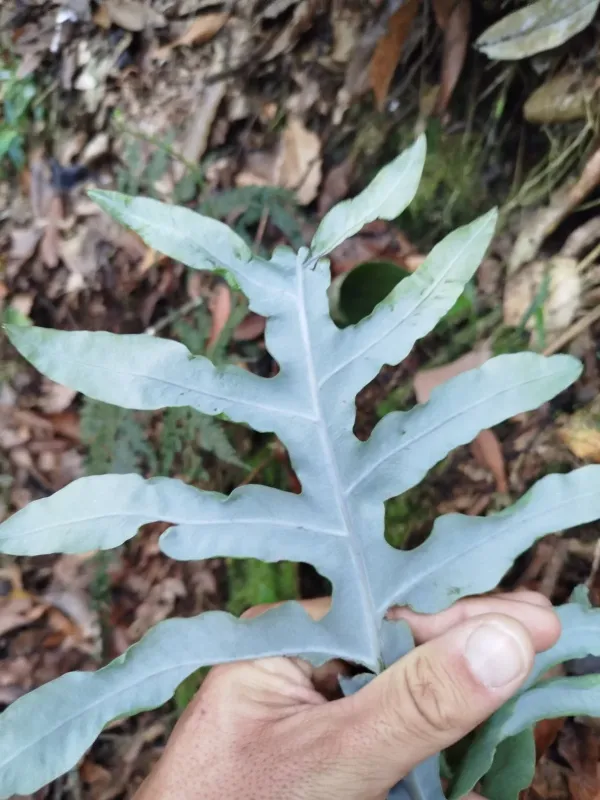
The plant is defined by its distinctive creeping rhizomes covered in golden-brown scales. The fronds are deeply pinnate and typically display a glaucous or bluish-green hue, which is a key trait used in both botanical identification and commercial selection.
Cultivation requires a well-draining, highly organic substrate. Growers often use a mix of peat moss, perlite, and pine bark to ensure aeration and prevent the waterlogged conditions that lead to rhizome rot.
Optimal growth conditions involve a temperature range of 20°C to 25°C. The species is sensitive to cold drafts and rapid temperature fluctuations, which can trigger stress responses and stunt the development of new foliage.
Humidity management is essential for this crop. Maintaining relative humidity above 65% is standard practice, often achieved in greenhouse settings through automated misting systems or evaporative cooling pads during the peak growing season.
Main diseases and pests
The most significant pest threats for Phlebodium areolatum are spider mites and scale insects. These pests thrive in dry environments and can quickly compromise the plant’s health by feeding on the undersides of the fronds.
Mealybugs are also common in greenhouse production. They form dense, waxy colonies that are difficult to reach with standard contact insecticides, necessitating systemic control methods and rigorous hygiene practices.
Fungal pathogens, particularly those causing root rot like Pythium species, represent the primary disease risk. These diseases are almost always linked to over-irrigation or the use of substrates with inadequate drainage.
Foliar leaf spots caused by bacterial or fungal infections can occur if the foliage remains wet for extended periods without adequate air circulation. Pruning affected fronds and improving ventilation are primary control measures.
A proactive crop health program should include regular scouting for pests and the application of integrated pest management (IPM) strategies to reduce reliance on heavy chemical interventions while ensuring high-quality plant output.