
Xanthophyllum discolor
Xanthophyllum discolor
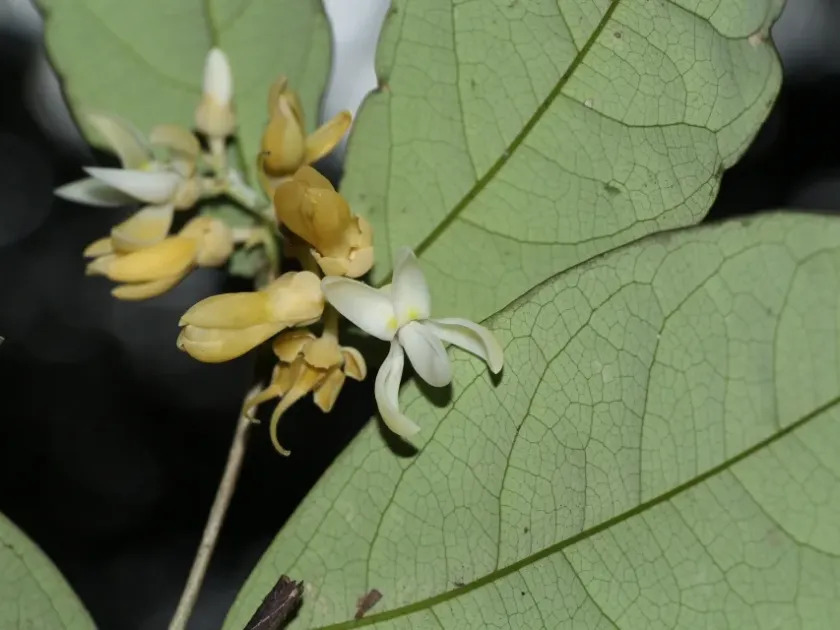
Description
Growing requirements
Xanthophyllum discolor belongs to the Polygalaceae family. This evergreen woody plant naturally occurs in the tropical forests of Southeast Asia, thriving in high-humidity environments.
The crop requires a stable tropical climate with high annual temperatures. It is sensitive to sudden temperature fluctuations and requires protection from strong winds that can damage its leaf structure and canopy.
Ideal soil conditions include deep, well-drained substrates rich in organic matter. Red latosols or alluvial soils with slightly acidic to neutral pH levels are considered the best for establishing healthy plantations.
The plant exhibits specific botanical features, such as alternate leathery leaves with distinct venation and small flowers arranged in inflorescences. Consistent moisture levels are crucial, as the tree is intolerant of prolonged drought periods.
Economic utility is centered on high-quality timber, which is valued locally for its structural strength and durability. Research into its biomass potential continues as part of sustainable forestry initiatives.
Main diseases and pests
The primary threats to Xanthophyllum discolor plantations are fungal infections caused by excessive moisture accumulation near the root collar. Ensuring appropriate planting density is vital to allow for proper air circulation.
Common pests affecting this species include defoliating insects and wood-boring beetles. Regular monitoring of the bark and canopy is essential for early detection and prevention of pest outbreaks.
Anthropogenic pressure and environmental degradation represent significant risks to the species' long-term stability. Integrated pest management strategies rely on biological controls to maintain the integrity of the grove.
Invasive plant species can compete with young trees for sunlight, hindering growth. Maintaining clean growth circles around each tree is a standard and necessary agricultural practice for this crop.
Physiological diseases often emerge due to nutrient deficiencies in exhausted soils. Applying organic fertilizers and maintaining soil health significantly boosts the plant's resistance to various pathogens.