
Xanthophyllum papuanum
Xanthophyllum papuanum
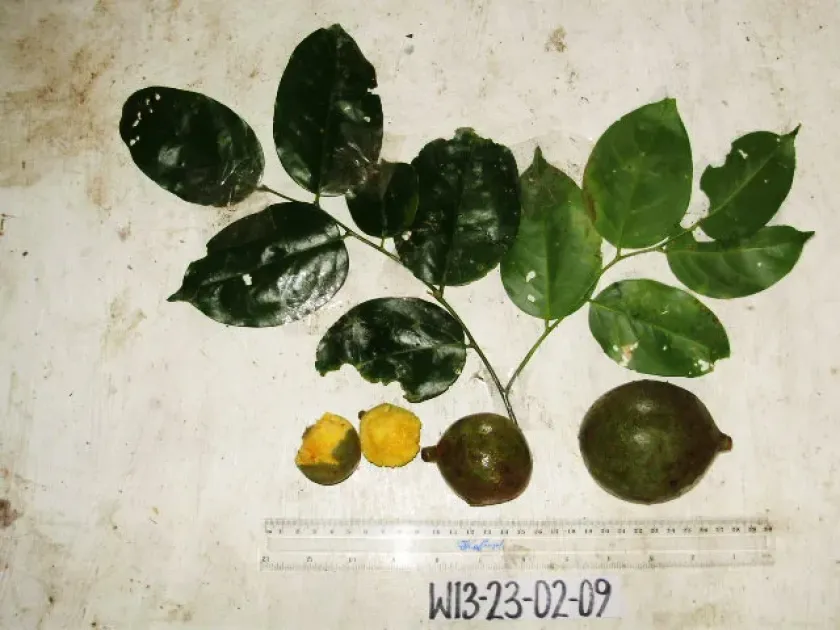
Description
Growing requirements
Xanthophyllum papuanum is a tree species belonging to the Polygalaceae family. It is primarily native to the dense, humid tropical forests of Papua New Guinea, where it functions as a component of the local forest canopy and understory vegetation structure.
The culture thrives in environments characterized by high annual precipitation and minimal seasonal variation. It is strictly adapted to tropical climates where temperatures remain consistently warm, making it unsuitable for cultivation in temperate or subtropical zones without specialized infrastructure.
Regarding edaphic requirements, the plant prefers deep, fertile, and well-drained soils rich in organic matter. In its natural habitat, it relies on the nutrient cycling typical of tropical rainforests, requiring soil that retains moisture while allowing sufficient aeration for root health.
In terms of agricultural management, maintaining the correct light regime is vital for sapling survival. As an understory species, it is physiologically structured to endure low-light conditions, and excessive exposure to direct solar radiation can significantly hinder the growth rate of young trees.
The main economic value of Xanthophyllum papuanum is derived from its timber. The wood is recognized for its density and durability, which makes it a preferred choice for local structural applications and the artisanal production of durable household tools within its native range.