
Xanthophyllum vitellinum
Xanthophyllum vitellinum
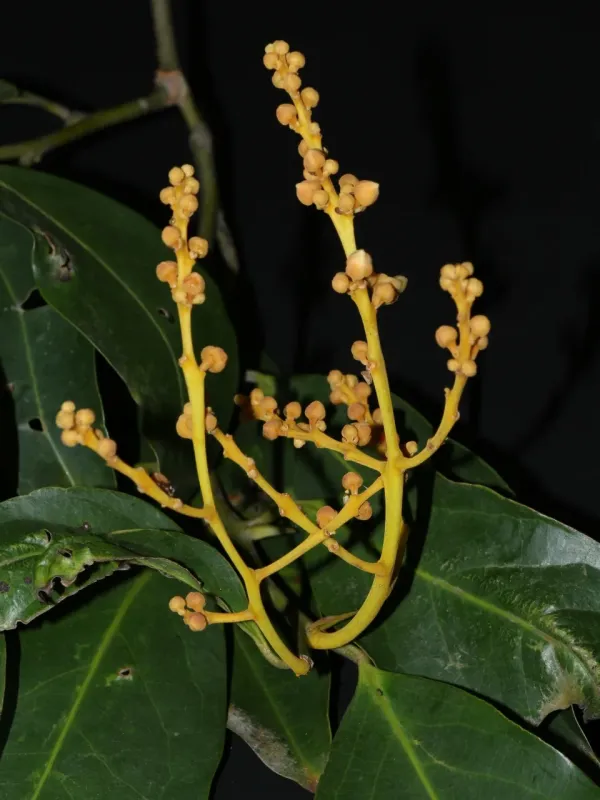
Description
Growing requirements
Xanthophyllum vitellinum is a species of tree belonging to the Polygalaceae family. It is native to the tropical rainforests of Southeast Asia, thriving in the warm and humid conditions of the region.
The plant requires a consistent tropical climate with high annual rainfall to maintain its growth cycles. It is highly adapted to environments where temperature fluctuations remain minimal throughout the year.
Regarding soil requirements, this tree prefers deep, fertile, and well-drained ground. It cannot tolerate waterlogged soils, which can lead to root system degradation and poor physiological development.
Its botanical structure includes robust, leathery foliage that helps the tree manage transpiration efficiently in high-humidity environments. The crown structure is dense, reflecting its evolutionary success in competitive forest ecosystems.
Cultivation practices focus on sustainable forest management rather than traditional intensive agriculture. The species serves as a significant component of tropical biodiversity in its natural range.
Yield
The primary economic use of Xanthophyllum vitellinum is its high-quality timber. It is harvested for use in furniture making and various construction applications due to its physical durability.
Yields are assessed based on the volume of timber produced over long growth periods. Because it is a slow-growing species, efficient harvesting requires careful planning to ensure the sustainability of forest stocks.
Local communities may utilize various parts of the tree for traditional purposes, including botanical extracts or small-scale artisanal crafting, though this remains secondary to timber production.
The management of these trees involves protecting young seedlings from pests and ensuring they receive appropriate light conditions for development within the forest canopy.
By integrating this species into agroforestry systems, managers can balance ecological preservation with the production of valuable forest resources in tropical climates.