
Xanthophyllum flavescens
Xanthophyllum flavescens
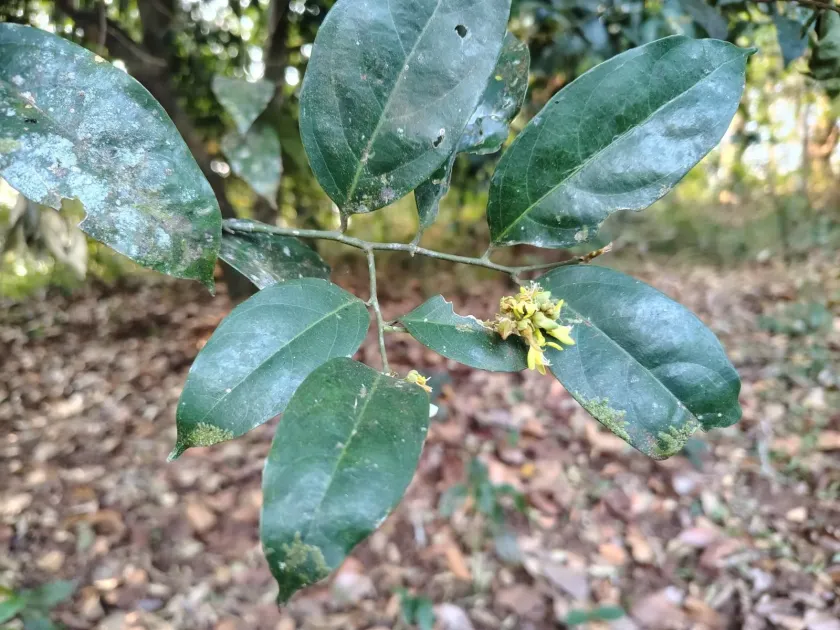
Description
Growing requirements
Xanthophyllum flavescens is a notable species within the Polygalaceae family. It is a robust evergreen tree native to tropical regions, recognized for its ecological role and potential in sustainable forestry management.
The species thrives in humid tropical environments that offer stable temperatures and consistent rainfall throughout the year. It lacks a dormant season, making it sensitive to environmental stress caused by sudden climate changes.
Ideal soil conditions for this culture involve well-drained, nutrient-rich substrates. The tree performs best in environments where organic matter is abundant, supporting healthy root development and efficient nutrient uptake.
Agronomic management requires careful attention to site selection and moisture control. While the tree can tolerate partial shade in its juvenile stage, it requires consistent access to sunlight as it matures to ensure proper structural development.
Maintenance practices for this species focus on providing a stable growing environment, which includes regular monitoring of moisture levels to prevent waterlogging, especially in low-lying plantation areas.
Yield
The primary economic value of Xanthophyllum flavescens lies in its high-quality timber. It is harvested for various structural and decorative purposes, making it a valuable asset for forest-based industries in its native range.
Yield estimation is determined by calculating the annual diameter growth of the trunks. Forestry managers use these data points to schedule harvesting cycles that maximize timber quality while ensuring the sustainability of the plantation.
Research into the secondary metabolites of the tree suggests potential applications in pharmaceutical and chemical sectors, providing additional value to the cultivation of this species.
Productivity is optimized by maintaining ideal spacing between trees, which minimizes competition for light and ground resources, thereby increasing the overall volume of wood produced per hectare.
Effective management and timely silvicultural interventions are key to achieving a stable and profitable output from Xanthophyllum flavescens plantations in tropical zones.