
Xanthophyllum stipitatum
Xanthophyllum stipitatum
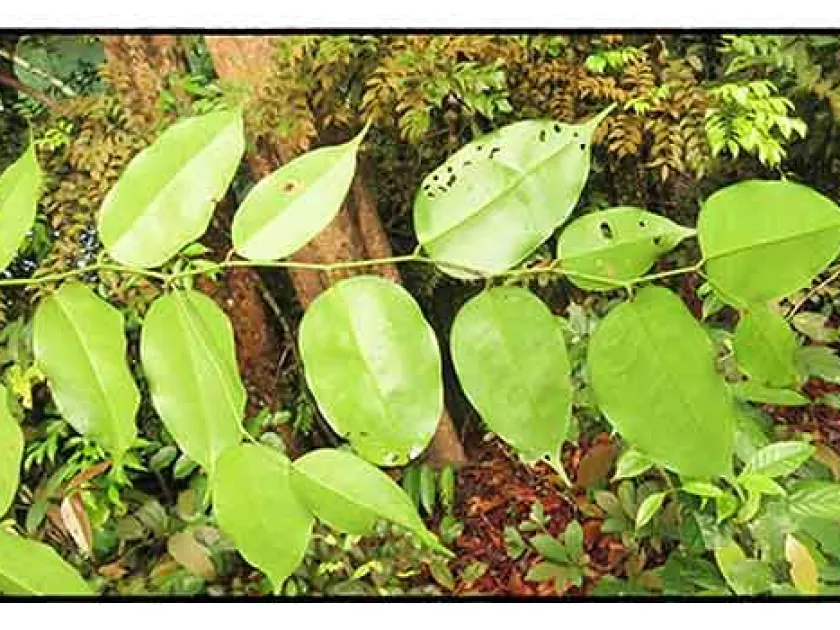
Description
Growing requirements
Xanthophyllum stipitatum belongs to the Polygalaceae family. It is a tropical evergreen tree species naturally distributed throughout the dense forests of Southeast Asia.
The plant thrives in nutrient-rich, well-draining soils that maintain consistent moisture levels. It is highly sensitive to waterlogging, which can cause significant root damage.
Climatic requirements involve tropical conditions characterized by high humidity, abundant rainfall, and a lack of seasonal frost, ensuring continuous metabolic activity.
Regarding light, the species generally adapts to the understory, requiring shaded or dappled light conditions during the juvenile phase to avoid photo-inhibition.
Management practices emphasize soil protection and the maintenance of a canopy cover to replicate the natural microclimate required for the optimal physiological function of the tree.
Yield
The primary economic utilization of Xanthophyllum stipitatum is focused on its timber. The wood is valued for its specific density and structural integrity, suitable for various construction applications.
Harvesting efficiency is determined by the growth rate of the tree, which is moderate, requiring sustainable forest management plans to ensure long-term availability of the resource.
Quantitative yield is measured in terms of timber volume per hectare, optimized through selective logging practices that encourage the survival of younger age classes.
Beyond timber, there is increasing interest in the phytochemical composition of the species, potentially linking it to future applications in biochemical and pharmacological industries.
Success in cultivating or managing this species depends on maintaining an ecological balance that supports the slow accumulation of woody biomass over several decades.