
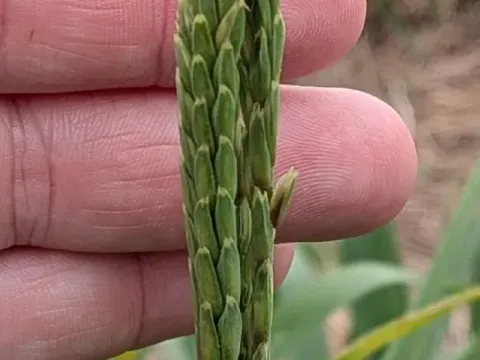
Tripsacum
Tripsacum L.
Sowing of Tripsacum is typically performed in the spring when soil temperatures reach 12–15°C. In regions with milder climates, late-autumn planting may be possible, though spring sowing generally yields better establishment rates.
What the section contains


Tripsacum
Seeds require rigorous preparation, including scarification or prolonged soaking, due to their thick and protective outer coat. Seeding depth should be between 2 and 4 centimeters, depending on the soil structure and moisture availability.
A row-planting method is recommended, with spacing between 60 and 70 centimeters. This layout facilitates mechanical weeding during the initial years, as the seedlings show relatively slow growth compared to aggressive weeds.
Compacting the soil after sowing is a vital step to ensure good seed-to-soil contact, which helps maintain moisture around the seeds and promotes uniform germination across the field.
During the first year, Tripsacum focuses its energy on building a robust root system. Therefore, farmers must prioritize weed management to prevent shading and nutrient competition during this vulnerable establishment phase.
Tripsacum is a perennial grass from the Poaceae family, known for its high adaptability to varying environmental conditions. It thrives in well-lit areas and requires significant sun exposure to achieve its full potential for biomass production.
While the crop shows remarkable drought tolerance once fully established, it performs best under conditions of moderate to good moisture availability. Its extensive root system allows it to access water from deeper soil profiles.
The plant prefers fertile soils with a neutral or slightly acidic pH. Avoiding sites prone to waterlogging is essential, as poor soil aeration can severely impact root health and decrease the overall plant vigor over time.
Tripsacum responds very favorably to balanced fertilization, especially nitrogen applications, which should be timed to follow each mowing. Organic manure applied before planting can also contribute to long-term soil fertility.
The plant demonstrates good winter hardiness; however, extreme cold in areas with no snow cover may stress the plants, necessitating careful site selection to minimize the risk of winter injury.
The yield of Tripsacum is heavily dependent on management practices and the nutrient supply. With optimal conditions, the crop produces impressive amounts of green biomass, often outperforming many standard fodder grasses.
Depending on weather conditions and the growth stage, two to three cuts per season are typical. The rate of regrowth following harvest is a key indicator of plant health and the effectiveness of the fertilization program.
Maximum productivity is usually reached between the 3rd and 5th year after establishment. The forage quality is high, characterized by a significant protein content, making it an excellent choice for high-quality silage or haylage production.
In addition to its role as a forage crop, Tripsacum is being explored for its potential in the pulp and paper industry, highlighting its versatility as a sustainable agricultural raw material.
Consistent nitrogen top-dressing after each cutting is necessary to maintain high dry-matter yields, ensuring the economic viability of the stand throughout its production cycle.
Common diseases affecting Tripsacum include various rusts and leaf spots, which are more prevalent in high-humidity conditions or dense, poorly ventilated stands. Proper spacing serves as the first line of defense against these pathogens.
Pests, particularly soil-dwelling larvae like wireworms and white grubs, can cause significant damage to the root system and young crowns. Monitoring and, if necessary, professional pest control are crucial for field maintenance.
Cereal flies or aphids may occasionally infest the plants during active growth. In cases of severe outbreaks, systemic insecticides may be required, provided they adhere to local safety regulations and usage guidelines.
Poor harvesting management, such as cutting too low or too frequently, can deplete the plant's carbohydrate reserves. This weakening effect can lead to thinning stands and increased susceptibility to winter kill.
Maintaining a high standard of field sanitation, including the removal of infected debris and proper crop rotation where possible, helps prevent the build-up of specific pests and diseases within the area.
The optimal time to harvest Tripsacum is at the boot stage or early heading, ensuring the best balance between biomass volume and nutritional quality. Delaying harvest results in increased stem lignification and reduced feed value.
Mechanical harvesting with forage harvesters is recommended to produce well-chopped material suitable for ensiling. High-density compaction in silos is critical for achieving excellent fermentation and storage quality.
Hay production requires aggressive tedding, as the stems of Tripsacum are dense and require thorough drying to reach the desired moisture levels. Improper drying can lead to mold and significant dry-matter loss.
After the final cut, the plant must be allowed a period of regrowth before the first frost to replenish its root reserves. This practice is essential for ensuring successful overwintering and vigorous spring emergence.
Harvesting operations should be planned efficiently to avoid adverse weather conditions, as high humidity during the drying process can compromise the quality and storability of the final product.